
Posted on

Traditional vs. Modern Bengali Architecture: Evolution & Design Trends

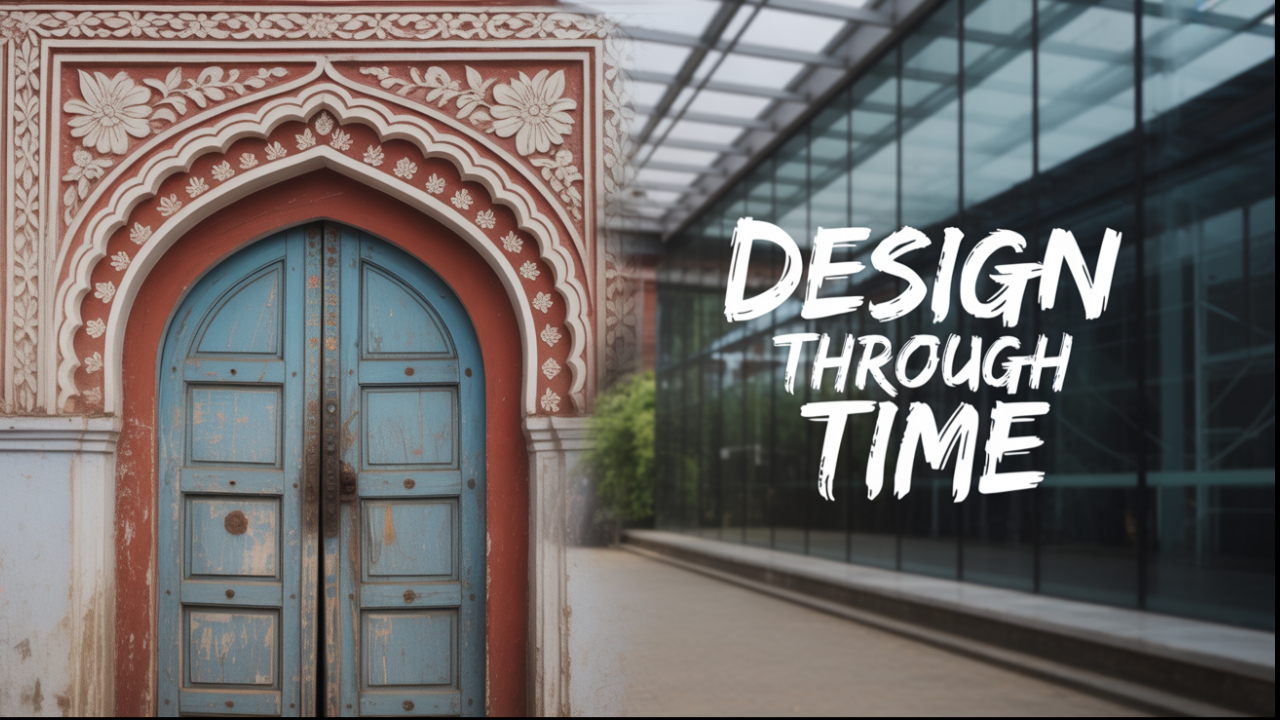
Traditional Bengali Architecture vs. Modern Styles

Traditional Bengali Architecture vs. Modern Styles: A Deep Look into Design Evolution

Traditional Bengali Architecture vs. Modern Styles

Bengal’s landscape is not only defined by rivers and greenery but also by its architecture, which has evolved through centuries of culture, climate, and community needs. Traditional Bengali architecture reflects deep ties to heritage, while modern styles bring global influences, technology, and new materials into play. Understanding both gives us insight into how homes, temples, and urban structures are shaped today.

Roots of Traditional Bengali Architecture

Climate-Centered Design

Traditional Bengali homes were designed for survival in a flood-prone, humid environment. Elevated plinths, sloping roofs (known as chala), and mud or bamboo walls kept interiors cool and safe during monsoon rains. Courtyards allowed ventilation and communal interaction.

Key elements:

  • Chala roofs – curved thatch or tiles for rainwater flow.

  • Verandas – shaded semi-open areas to rest and socialize.

  • Earthen floors – cooler underfoot, natural insulation.

These features were practical, sustainable, and adapted to the natural setting.


Symbolism and Aesthetics

Bengali architecture also carried artistic depth. Temples built in the terracotta style displayed intricate carvings of folklore, epics, and rural life. The use of lotus motifs, fish designs, and floral patterns reflected both spirituality and everyday culture.

Palaces from the Zamindar era introduced Indo-European blends—arched windows, columns, and decorated facades—yet still retained the courtyard as the social heart.
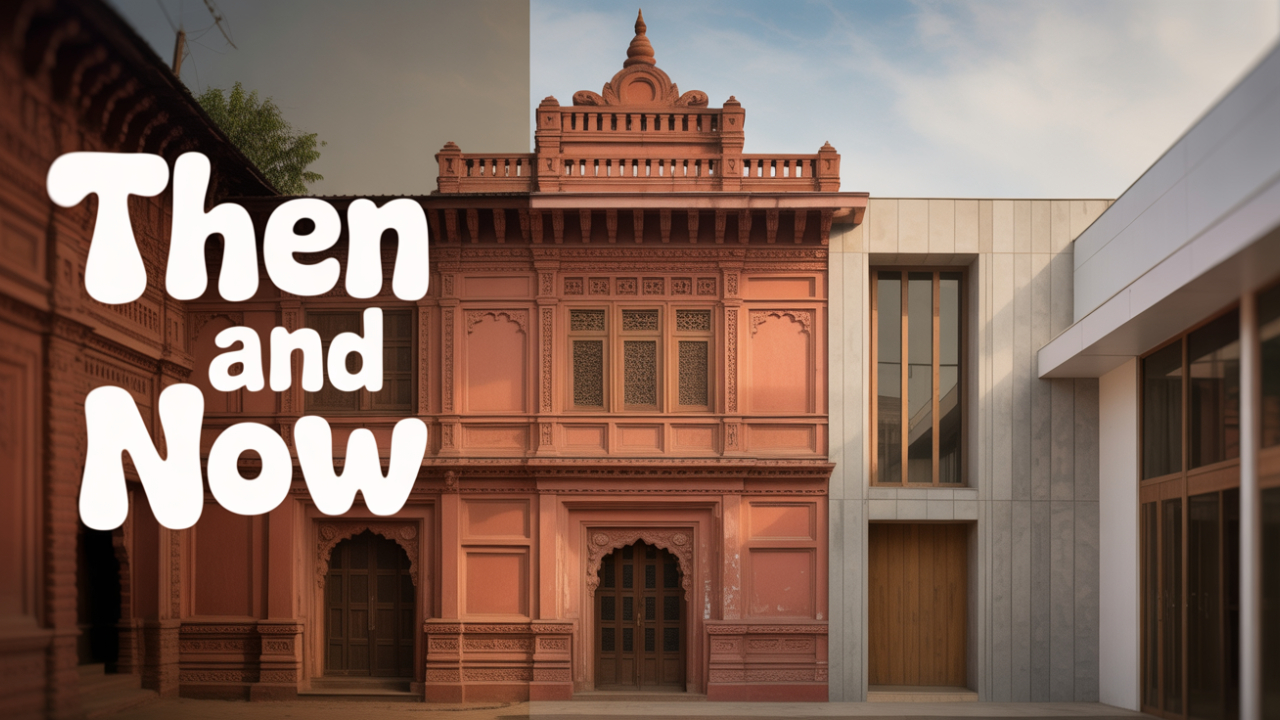
The Rise of Modern Bengali Architecture

Urban Pressures and New Materials

With urbanization, architecture shifted from mud and bamboo to concrete, glass, and steel. The demand for multi-storied apartments in cities like Dhaka and Kolkata transformed the skyline. Space efficiency, elevators, and modular layouts replaced courtyards and wide verandas.

Modern priorities include:

  • Vertical expansion for population density.

  • Reinforced concrete for durability.

  • Glass facades for aesthetics and daylight.


Global Influences and Technology

Modern Bengali design borrows from global minimalism, contemporary geometry, and smart-home technologies. Architects now incorporate energy-efficient glass, solar panels, and rainwater harvesting systems. The once organic connection between home and landscape has shifted toward urban sustainability goals.

However, some modern projects try to revive cultural roots—using local bricks, terracotta cladding, or courtyard-inspired layouts—to balance tradition with innovation.
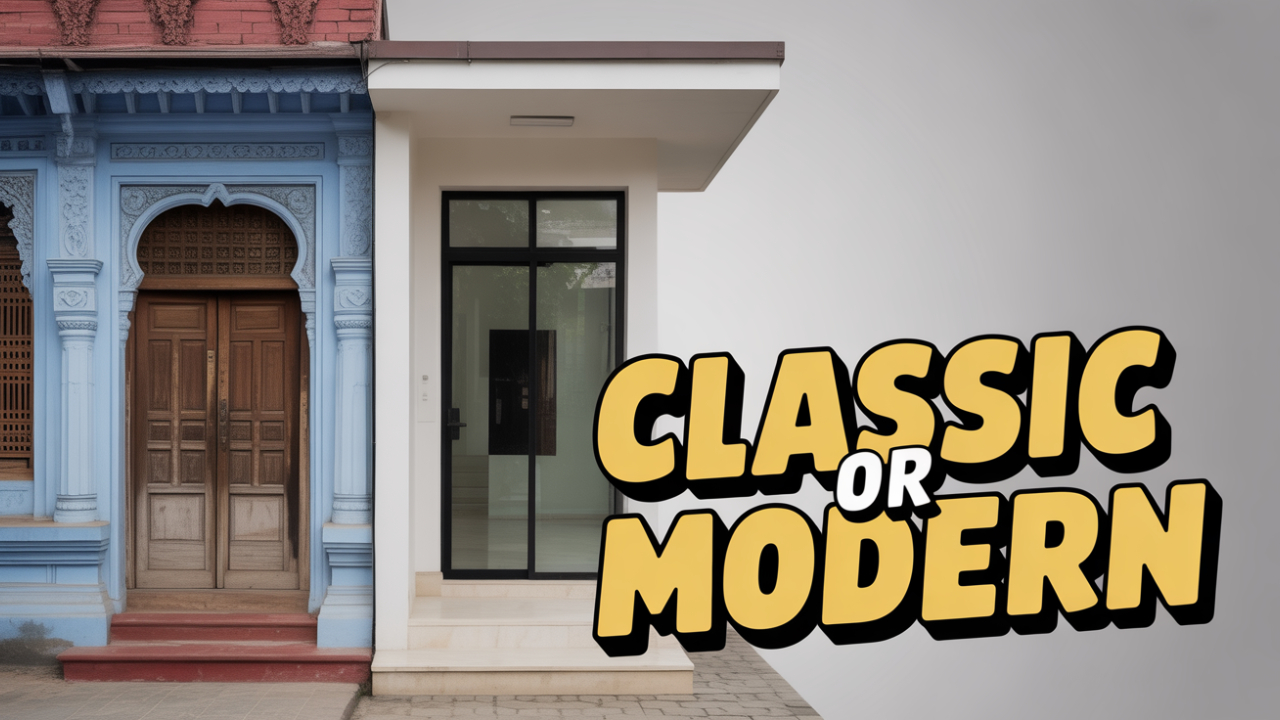
Traditional Bengali Architecture vs. Modern Styles

Ready to transform your office? Get in touch with the best interior firms in Bangladesh to start designing a space that aligns with your startup’s goals and culture. The right design can make all the difference!

Feature Traditional Bengali Modern Bengali
Materials Mud, bamboo, thatch, terracotta Concrete, glass, steel, composites
Climate Response Naturally cooling, flood-ready Air-conditioning, engineered drainage
Aesthetic Focus Carvings, motifs, cultural symbolism Minimalism, clean lines, international style
Community Role Courtyards, shared spaces Private apartments, limited interaction
Sustainability Naturally eco-friendly Requires green technology to adapt

The Cultural Shift

The move from open courtyards to closed apartments marks more than just architectural change—it reflects a social transformation. Traditional homes emphasized community living, extended families, and interaction with nature. Modern apartments lean toward privacy, nuclear families, and efficiency.

This shift mirrors economic growth and globalization, but it also risks losing cultural essence. Fortunately, many architects now advocate for neo-traditional designs—where sustainable technology meets heritage-inspired aesthetics.

Why This Matters Today

Preserving Identity

Architecture is not just about buildings—it’s about identity. By blending traditional wisdom with modern technology, Bengal can preserve cultural heritage while meeting urban needs.

Sustainable Future

With rising climate challenges, many features of traditional homes—like ventilation-focused layouts and rain-adaptive roofs—are being re-examined as sustainable solutions. Modern designs that integrate these features not only save energy but also honor local knowledge.

Inspiration for Homeowners

For individuals, choosing design elements from both traditions can create unique, functional, and meaningful homes. A modern concrete structure with a courtyard, terracotta accents, or bamboo finishes can bring the best of both worlds.

Final Thoughts

Traditional Bengali architecture and modern styles are not rivals but chapters in the same story. Where one is rooted in survival and culture, the other is driven by technology and urbanization. The future of Bengali design likely lies in fusion—a careful mix that respects heritage while embracing innovation.

For anyone building or restoring a home in Bengal, the lesson is clear: look back at tradition for wisdom, and look forward with modern tools for progress. The result can be spaces that are sustainable, functional, and deeply connected to cultural identity.

Author: Al-Amin Ifty, Design Doctors Studio @2025
Posted on

The Emergence of Biophilic Design in Today’s Homes

Nature_Inside_Modern_Homes-design doctor studio

The Emergence of Biophilic Design in Today's Homes

Nature_Inside_Modern_Homes-design doctor studio

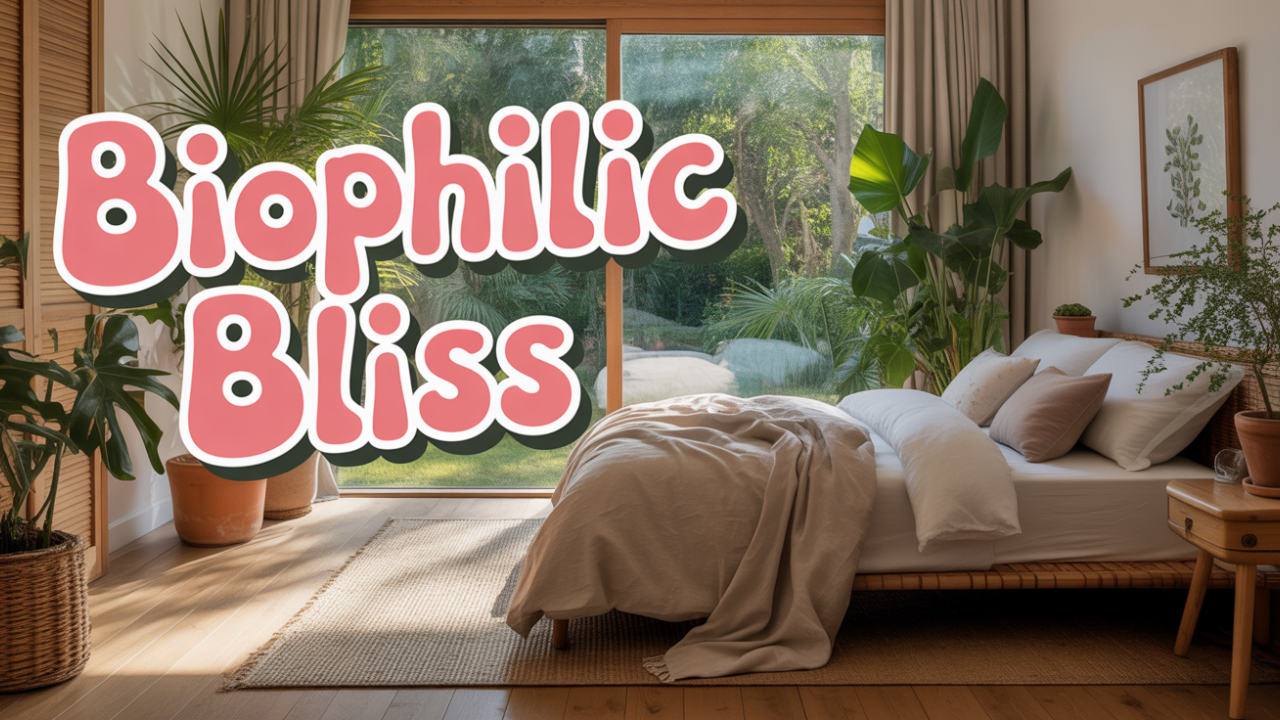
The way we live today often takes us out of the bounds of nature. Cities are crowded, homes are smaller and technology encroaches on every aspect of our lives. Biophilic design returns nature to the places we inhabit.

It’s not some fashion fad. This is a science-based method for building healthier, more comfortable and more sustainable homes.

What is Biophilic Design?

Nature_Inside_Modern_Homes-design doctor studio

Biophilic Design for Homes: The Essentials

Natural Light

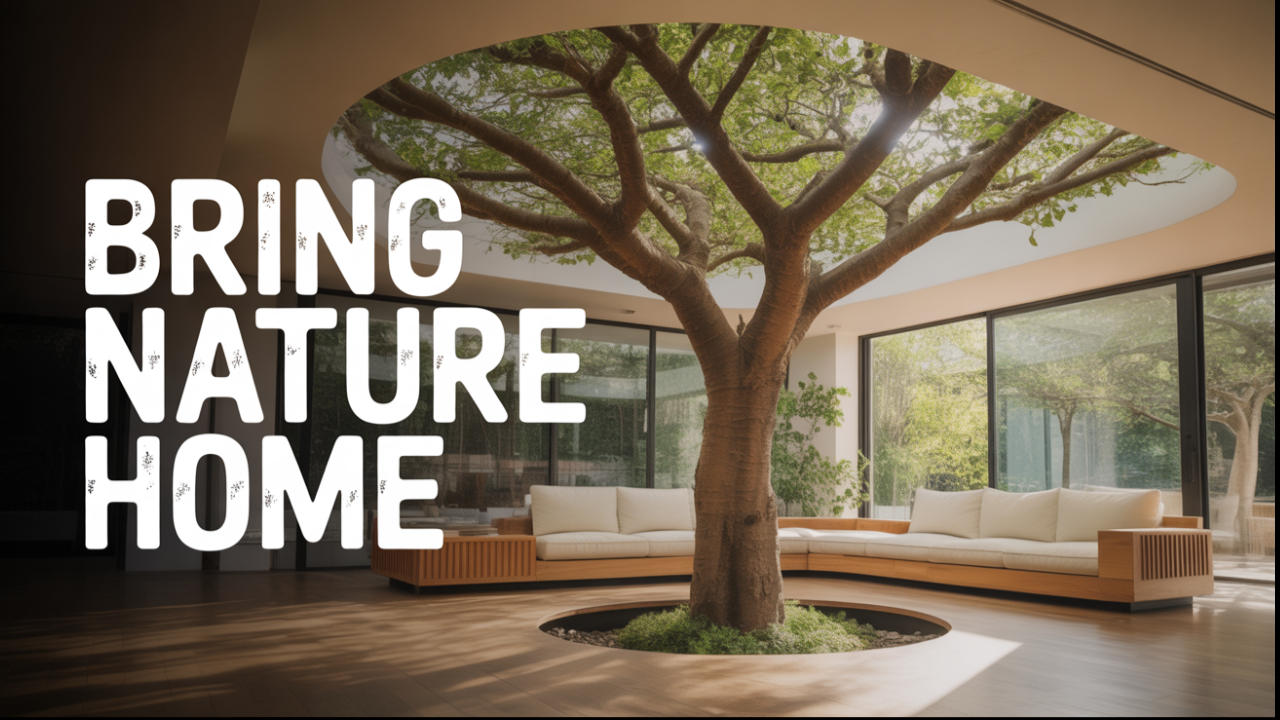
Large windows, skylights and open layouts optimize daylight. Sunlight is known to regulate mood, increase productivity and save energy.

Indoor Plants

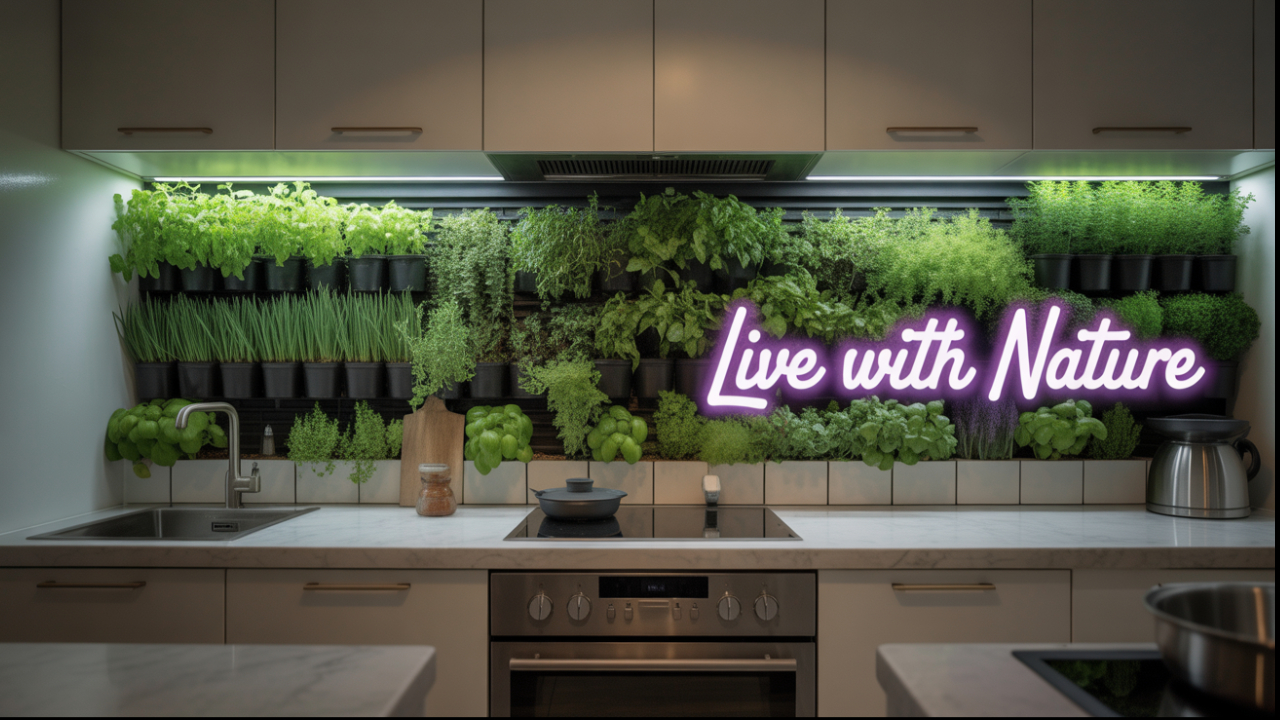
The plants are natural air purifiers. From small potted herbs in the kitchen to entire vertical green walls in living rooms, they lend freshness and life indoors.

Ventilation and Airflow

The cross-ventilation and open courtyards allow clean air to flow. This lowers dependence on air conditioning and encourages better breathing.

Organic Materials

Using wood, stone, bamboo, and clay connects residents to earth’s textures. These materials age gracefully and give homes a warm, timeless appeal.

Water Elements

Small indoor fountains or ponds create calming sounds that reduce stress and promote relaxation.

Nature-Inspired Patterns

Geometric and organic designs inspired by leaves, waves, and other natural forms give subtle psychological comfort.

Explore biophilic interior design that seamlessly blends with the beauty of nature.

Nature_Inside_Modern_Homes-design doctor studio

Ready to transform your office? Get in touch with the best interior firms in Bangladesh to start designing a space that aligns with your startup’s goals and culture. The right design can make all the difference!

Benefits of Biophilic Design

  • Improved Health: Reduces respiratory problems and stress-related conditions.

  • Enhanced Productivity: Natural surroundings improve focus and memory.

  • Energy Savings: Maximizing daylight and airflow reduces electricity use.

  • Emotional Comfort: A home that feels close to nature fosters relaxation and happiness.

Incorporating Nature in Modern Houses for Sale

Green Walls and Vertical Gardens: Ideal for tight urban homes where space is at a premium.

Versatile Patios: Double up as daylight fillers and socializing zones for the family.

The Finishes: Terrazzo tile and polished concrete floors, clay paints and bamboo furniture.

Intelligent Integration: Incorporating sustainable technology such as smart windows and solar panels with natural components.

Urban Adaptations in Dhaka: Space Starved roof tops gardens and balcony plant setups are practical local solutions.

Here, you’ll gain insight into how an architect thinks when crafting a biophilic design.

Biophilic Design in Dhaka Homes

Dhaka faces challenges like high population density, limited green space, and pollution. Biophilic design addresses these directly. Rooftop gardens reduce heat, improve air quality, and provide family recreation. Open balconies with vertical greenery transform even small apartments into healthier living spaces. Interior designers in Dhaka are increasingly blending global biophilic trends with local cultural aesthetics, such as bamboo crafts and clay finishes.

Practical Tips for Homeowners

  • Start small with indoor plants like peace lilies and snake plants.

  • Replace synthetic materials with natural wood or stone finishes.

  • Reorganize furniture to allow maximum daylight into living areas.

  • Add water features for natural sound therapy.

  • Explore rooftop or balcony gardens to extend greenery.

Conclusion

The rise of biophilic design in modern homes shows a shift in how we view living spaces. Homes are no longer just shelters. They are environments that should nurture our health, happiness, and connection to nature. By embracing natural light, greenery, and organic materials, even the busiest city home can feel like a sanctuary. For homeowners in Dhaka and beyond, biophilic design is not a passing trend. It is the future of healthy and sustainable living.

Author: Al-Amin Ifty, Design Doctors Studio @2025
Posted on

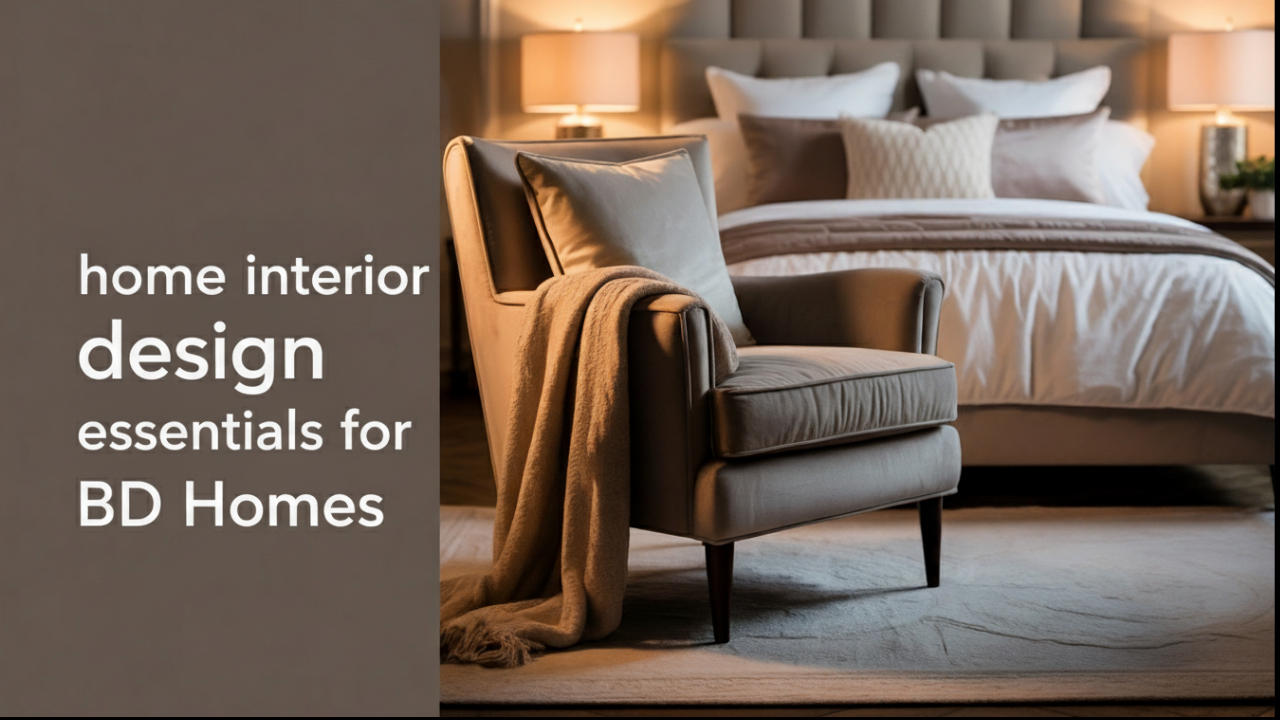
Home Interior Design Essentials for BD Homes

Home Interior Design Essentials for BD Homes: A Practical Guide for 2025

Home Interior Design Essentials for BD Homes: A Practical Guide for 2025

Home Interior Design Essentials for BD Homes: A Practical Guide for 2025

Quick Answers: 5 Must-Know Tips for Bangladeshi Home Interiors

Use light colors (beige, soft grey) to reflect heat and make rooms feel larger.

Invest in multifunctional furniture (sofa-cum-beds, foldable tables) for small spaces.

Choose mold-resistant materials (vitrified tiles, engineered wood) for humidity.

Add indoor plants (snake plants, money plants) to purify air and enhance decor.

Hire local designers with experience in Bangladeshi climate and materials.

What Are the Best Materials for Bangladeshi Home Interiors?

Bangladesh’s hot, humid climate requires durable, low-maintenance materials. Here’s what works best:

Flooring:

Material Pros Cons Cost (BDT/sq. ft.)
Vitrified tiles Water-resistant, easy to clean Can feel cold underfoot 800–1,500
Polished concrete Modern, low-maintenance Hard surface 600–1,200
Engineered wood Mimics hardwood, moisture-resistant Higher cost 1,200–2,500
Interior Design in Dhaka_bashundhara Project-1

Walls

  • Mold-resistant paint (e.g., Berger WeatherCoat) – BDT 300–600/liter.
  • Washable wallpaper – Ideal for bedrooms (BDT 1,500–3,000/roll).

Furniture

  • Teak or bamboo – Naturally resists humidity.
  • Metal frames – Durable for sofas and beds.

Pro Tip: Light-colored walls (white, beige) reflect heat and make rooms feel airy.

Interior Design Bashundhara Project- Design Doctors Studio

Ready to transform your office? Get in touch with the best interior firms in Bangladesh to start designing a space that aligns with your startup’s goals and culture. The right design can make all the difference!

How Can I Optimize Space in a Small Bangladeshi Apartment?

Urban homes in Dhaka, Chittagong, or Sylhet often face space constraints. Here’s how to maximize every inch:

Multifunctional Furniture

  • Sofa-cum-beds – Save space in living rooms (BDT 30,000–80,000).
  • Foldable dining tables – Expand when needed (BDT 15,000–40,000).
  • Ottomans with storage – Store blankets, books, or shoes.

Vertical Storage Solutions

  • Wall-mounted shelves – Display books or decor without floor space.
  • Tall cabinets – Use floor-to-ceiling wardrobes in bedrooms.
  • Pegboards – Hang kitchen utensils or tools.

Open Layouts

  • Remove non-structural walls to combine living, dining, and kitchen areas.
  • Use glass or jali partitions for privacy without blocking light.

Example: A 900 sq. ft. flat in Gulshan can feel spacious with built-in wardrobes, a Murphy bed, and a modular kitchen.

What Are the Latest Interior Design Trends in Bangladesh for 2025?

Bangladeshi homes are blending tradition with modernity. Top trends include:

Fusion of Contemporary and Traditional

  • Jamdani or Nakshi Kantha textiles – Use as throw pillows or wall hangings.
  • Terracotta or brass decor – Adds a rustic touch.
  • Jali work – Laser-cut metal/wood partitions for privacy and style.

Smart Homes on a Budget

  • Smart bulbs (BDT 1,500–3,000) – Control lighting via phone.
  • Video doorbells (BDT 5,000–15,000) – Enhance security.
  • Solar panels – Government subsidies available for energy savings.

Sustainable Materials

  • Bamboo furniture – Eco-friendly and sturdy.
  • Reclaimed wood – Unique, rustic look.
  • Low-VOC paint – Healthier for indoor air quality.

How Do I Choose the Right Interior Designer in Bangladesh?

Hiring a professional ensures quality and efficiency. Here’s how to pick the best one:

What to Look For

Portfolio – Check for projects similar to your style/budget.

Client reviews – Look for feedback on Facebook, Google, or word-of-mouth.

Local expertise – Ensure they understand Bangladeshi materials and climate.

Transparent pricing – Avoid hidden costs; ask for itemized quotes.

Red Flags

❌ Pushes imported materials without local alternatives.

❌ No clear timeline or contract.

❌ Poor communication or unclear pricing.

Service Estimated Cost (BDT)
Living room design 150,000–300,000
Bedroom design 100,000–250,000
Full-home renovation 500,000–1,200,000

Common Mistakes to Avoid in Bangladeshi Home Design

❌ Ignoring Natural Light

  • Problem: Heavy curtains or dark colors make rooms feel smaller.
  • Solution: Use sheer curtains and light-colored walls.

❌ Overlooking Storage

  • Problem: Clutter accumulates without planned storage.
  • Solution: Add built-in wardrobes or under-bed storage.

❌ Skipping the Plan

  • Problem: Impulse buys lead to mismatched furniture.
  • Solution: Create a mood board and stick to a budget.

❌ Neglecting Maintenance

  • Problem: Cheap materials wear out quickly.
  • Solution: Invest in durable, easy-to-clean surfaces.

FAQs

What is the best color for a small bedroom in Bangladesh?

Light shades like beige, soft grey, or pastel blue make rooms feel larger. Avoid dark colors, which absorb heat.

How much does a modular kitchen cost in Dhaka?

A modular kitchen costs BDT 200,000–400,000, depending on materials (stainless steel, acrylic) and size.

Where can I buy affordable home decor in Chittagong?

Try local markets (New Market, Chandgaon) or online stores (Daraz, PriyoShop). For unique pieces, visit craft fairs or Drik Gallery.

How do I make my home monsoon-ready?

  • Use waterproof paint for walls.
  • Install exhaust fans in bathrooms/kitchens.
  • Place doormats at entrances to trap dirt.

Final Thoughts

Designing a home in Bangladesh is about balancing tradition, climate, and personal style. If you’re passionate about it, consider hiring a professional photographer to showcase the design you’ve created. Start small-redecorate a corner, upgrade lighting, or consult a designer for one room. The best interiors grow with you.

What’s the first change you’ll make in your home? Share your ideas in the comments!

Author: Al-Amin Ifty, Design Doctors Studio @2025
Posted on

Creating Productive Office Spaces with DDS in Bangladesh

Bangladesh's_Productive_Office_Spaces

Creating Productive Office Spaces with DDS in Bangladesh

Bangladesh's_Productive_Office_Spaces

A well designed office is more than just a place to work. It boosts productivity, encourages teamwork and reflects your company’s values. In Bangladesh, where businesses are growing fast, creating a workspace that supports both efficiency and employee well being is crucial. DDS, a trusted office interior design company in Dhaka, helps businesses transform their offices into spaces that inspire success.

Here’s how you can design an office that works for your team and why DDS is the right partner for the job.

Why Office Design Affects Productivity

The way your office is designed directly impacts how your team performs. Poor lighting, uncomfortable chairs or a cluttered space can lead to distractions, fatigue and lower morale. On the other hand, a well planned office improves focus, encourages collaboration and increases job satisfaction.

Key benefits of a smart office design:

  • Employees stay focused with ergonomic furniture and thoughtful layouts.
  • Teams collaborate better in spaces designed for interaction.
  • A comfortable and attractive office helps retain top talent.
Corporate Office Interior Design Gulshan- Project 004- Design Doctors Studio

How DDS Creates Productive Office Spaces in Bangladesh

Understanding Your Business Needs

Every company works differently. DDS starts by learning how your team operates. Do you need quiet areas for focused work, open spaces for brainstorming or a mix of both? For example, software companies may need soundproof areas for developers, while marketing agencies benefit from open, creative spaces.

Ergonomic Furniture for Comfort and Efficiency

Investing in good office furniture is essential. DDS recommends:

  • Ergonomic chairs with proper lumbar support to prevent back pain.
  • Adjustable desks that allow employees to sit or stand as needed.
  • Smart storage solutions to keep the workspace organized.

Why this matters: When employees are comfortable, they work better and take fewer sick days.

Smart Lighting and Air Quality

Natural light improves mood and energy, but not all offices have big windows. DDS uses a combination of:

  • LED task lighting for individual workstations.
  • Soft ambient lighting to reduce eye strain.
  • Proper ventilation to keep the air fresh, which is especially important in Dhaka’s climate.

Reflecting Your Brand Through Design

Your office should represent your company’s identity. DDS incorporates your brand colors, logo and values into the design in a subtle but effective way. This strengthens company culture and makes the space feel uniquely yours.

Flexible Layouts for Future Growth

Businesses change, and your office should be able to adapt. DDS designs spaces that can easily expand or reconfigure as your team grows. They use movable partitions, modular furniture and scalable tech setups to ensure your office stays functional for years.

Corporate Office Interior Design Gulshan- Project 004- Design Doctors Studio

Ready to transform your office? Get in touch with the best interior firms in Bangladesh to start designing a space that aligns with your startup’s goals and culture. The right design can make all the difference!

Popular Office Design Trends in Bangladesh

Open Plan Offices with Private Areas

Open offices encourage teamwork, but they can also get noisy. DDS balances this with:

  • Quiet pods for focused work.
  • Soundproof meeting rooms for private discussions.
  • Breakout areas for informal chats and relaxation.

Bringing Nature Indoors

Adding natural elements to your office reduces stress and boosts creativity. DDS integrates:

  • Indoor plants that are easy to care for, like snake plants or pothos.
  • Natural materials such as wood, stone or bamboo for a warm, inviting feel.
  • Green walls for a refreshing visual effect.

Tech Friendly Workspaces

Modern offices need reliable technology. DDS ensures your space includes:

  • Strong Wi Fi and plenty of charging points.
  • Smart boards for presentations and collaboration.
  • Neat cable management to keep workstations tidy.

Why DDS Is the Best Choice for Office Interior Design in Dhaka

Local Knowledge and Experience

As a Dhaka based company, DDS understands the unique challenges of Bangladeshi workspaces. They know how to make the most of limited space and choose materials that suit the local climate, all while keeping projects affordable.

Complete Service from Start to Finish

DDS handles every step of your office transformation:

  • Space planning and 3D designs so you can visualize the result.
  • Furniture selection and customization to fit your needs.
  • Project management to ensure everything is completed on time and on budget.

A Strong Portfolio of Successful Projects

DDS has designed offices for startups, large companies and co working spaces across Bangladesh. Their work includes modern, functional designs that meet each client’s specific goals.

How to Begin Your Office Transformation with DDS

  1. Initial Consultation: Share your vision, budget and timeline with the DDS team.
  2. Design Proposal: Receive a customized plan with 3D renderings of your new office.
  3. Implementation: Watch as DDS brings your new workspace to life.
  4. Ongoing Support: Enjoy assistance and maintenance after your office is complete.

Final Thoughts

A productive office is more than just desks and chairs. It’s a space that inspires your team and supports your business goals. With DDS, you get a partner who combines global design trends with local expertise, creating workspaces that are both practical and inspiring.

Ready to create an office that helps your business thrive? Contact DDS today for a consultation and take the first step toward a better workspace.

Author: Al-Amin Ifty, Design Doctors Studio @2025
Posted on

Modern Drawing Room Interior Design Ideas

Our Latest Portfolio_Client project-Kamal's House_Design Doctors Studio

Modern Drawing Room Interior Design Ideas

Our Latest Portfolio_Client project-Kamal's House_Design Doctors Studio

Introduction

Creating a stylish and functional drawing room requires more than choosing beautiful furniture. In Bangladesh, where urban apartments are compact and family gatherings are central to daily life, drawing room interior design must balance aesthetics with practicality. 

This guide explores modern living room design ideas for 2025, drawing on recent trends and expert advice to help you craft a comfortable, contemporary space that reflects your personality.

1. Embrace Minimalism and Functionality

Minimalism is no longer just a Western concept; it has firmly taken root in Bangladesh.

Designers note that homeowners are moving away from heavy furniture and ornate patterns, opting for clean lines and uncluttered spaces. Minimalist living rooms favor functional pieces and sleek designs because they make small apartments feel larger.

  • Clean lines and uncluttered spaces – Use low‑profile sofas and simple coffee tables to create a spacious feel. Avoid unnecessary decorations so each piece has room to shine.

  • Neutral foundations – Build your design on a base of whites, greys and beiges; these neutral tones create a calm background that enhances the perception of space.

  • Multi‑functional furniture – In apartments where every square foot matters, multi‑functional pieces such as modular sofas, foldable tables and storage ottomans help maximize space. For example, a sofa bed can double as guest accommodation, while storage ottomans hide clutter.

  • Dual‑purpose spaces – With more people working from home, rooms often need to serve as both living and working areas. Arrange your furniture to create zones, using rugs or shelving to define a work corner within the drawing room.

Minimalism promotes ease of maintenance as well. Light, simple pieces are easier to clean and complement open floor plans.

Modern Drawing Room Interior Design Ideas: Transform Your Living Space in 2025-design doctors studio

2. Color Palettes: Neutral Bases with Vibrant Accents

Bangladeshi homeowners are gravitating toward neutral and earthy hues. Designers note that beige, white, taupe and grey create a restful environment and provide flexibility to change décor over time. However, neutrals do not mean boring; adding bold accents can bring energy and personality to the room.

  • Earth‑inspired colors – Terracotta, muted greens, warm browns and clay tones connect the interior to nature. These hues reflect local materials and craft traditions.

  • Vibrant accents – Use cushions, rugs or artwork in mustard, teal or blue to add pops of color. In 2025, designers also encourage bold patterns and statement walls to break up minimalism.

  • Avoid all‑white – Past years favored all‑white schemes, but current trends embrace light colors mixed with bolder accents.

  • Statement walls – Textured paints or matte finishes in earthy colors create focal points without overwhelming the room.

By pairing a neutral base with strategic pops of color, you can create a modern living room design that feels both serene and lively.

Interior Design Bashundhara Project- Design Doctors Studio

Ready to transform your office? Get in touch with the best interior firms in Bangladesh to start designing a space that aligns with your startup’s goals and culture. The right design can make all the difference!

3. Integrate Sustainable and Natural Elements

Sustainability is a core theme in 2025’s interior design. Roughly 65 % of Bangladeshi homeowners prefer eco‑friendly materials such as bamboo, jute and reclaimed wood. Beyond environmental benefits, natural materials also add warmth and texture to your space.

  • Use natural materials – Furniture crafted from bamboo, cane or rattan is lightweight and sustainable. Rattan furniture, once common in Bangladeshi households, is making a comeback because it’s eco‑friendly and adds a rustic touch.

  • Indoor plants – Biophilic design is gaining popularity; placing indoor plants like snake plants or peace lilies purifies the air and creates a calming atmosphere. The pandemic has pushed homeowners to bring nature inside, with organic plants becoming a major trend.

  • Maximize natural light – Large windows or glass doors brighten the drawing room, making it feel more open. Sheer curtains allow sunlight to filter in while maintaining privacy. Natural light is also a key trend noted by interior experts.

  • Sustainable fabrics and finishes – Choose eco‑friendly upholstery and rugs made from jute, cotton or recycled fibers. Such materials reduce indoor air pollution and provide a tactile connection to Bangladesh’s craft heritage.

Bringing nature into your room isn’t just visually pleasing; it creates a healthier living environment and aligns your home with global sustainability practices.

4. Smart and High‑Tech Additions

As technology becomes ubiquitous, smart home integration is transforming drawing rooms. Around 70 % of new homes in Bangladesh incorporate smart lighting, automated climate control and security systems. Even though high‑tech adoption is still growing, it’s becoming an essential feature in modern interiors.

  • Smart lighting – Install dimmable LED lights and smart switches that allow you to adjust brightness and color temperature via a smartphone app. This flexibility enhances both ambiance and energy efficiency.

  • Automated climate control – Smart air conditioners and fans can optimize temperature based on usage patterns, reducing electricity bills.

  • Security systems – Biometric locks and Wi‑Fi‑enabled cameras offer greater safety and can be monitored remotely.

  • Smart décor integration – Choose entertainment units that hide cables and allow seamless integration of technology into the room’s aesthetic.

Integrating technology enhances convenience without compromising the minimalist look, provided devices are integrated discreetly.

5. Blend Tradition with Modernity

Bangladesh’s rich cultural heritage continues to influence contemporary design. Many homeowners are blending traditional craftsmanship with modern aesthetics, creating unique spaces that celebrate identity.

  • Local art and textiles – Hang Dhakaiya carpets, Nakshi Kantha (embroidered quilts) or terracotta art on the walls to bring cultural narratives into a modern room. People are increasingly seeking to express cultural roots in their homes.

  • Handwoven fabrics – Use locally woven cushions, curtains or throws to add texture and authenticity.

  • Traditional woods and craftsmanship – Incorporate handcrafted wooden furniture or carved coffee tables to bring warmth and craft heritage into a modern interior.

  • Fusion furniture – Combine modern silhouettes with traditional materials; for example, a sleek sofa upholstered in handwoven fabric balances contemporary comfort with cultural flair.

This fusion approach ensures your drawing room interior design feels both current and deeply rooted in place.

6. Choose the Right Sofa and Seating

The sofa is often the centerpiece of a drawing room. Contemporary sofa design in Bangladesh prioritizes comfort, adaptability and aesthetics. Minimalist living rooms benefit from low‑profile sofas that create a sense of openness. Meanwhile, curved furniture is emerging as a trend because its organic shapes reflect nature.

When selecting seating:

  • Modular or sectional sofas – These provide flexibility and can be reconfigured for gatherings or day‑to‑day use. Some include built‑in storage, perfect for small rooms.

  • Curved and sculptural pieces – Curved sofas and chairs add visual interest and soften sharp lines.

  • Sustainable materials – Choose sofas upholstered in natural fabrics and frames made from bamboo, cane or reclaimed wood.

  • Comfort first – Ensure cushions are plush and seating is deep enough for relaxation. Comfort remains paramount in Bangladesh’s drawing rooms.

7. Lighting and Atmosphere

Lighting can dramatically transform a room. Designers highlight the importance of layering light sources by combining natural light with ambient, task and accent lighting.

  • Natural light – Embrace sunlight through large windows and use sheer curtains to diffuse glare.

  • Statement lighting – Pendant lights, chandeliers or sculptural lamps double as focal points and functional illumination.

  • Layered lighting – Use floor lamps, wall sconces and under‑cabinet lights to create depth and flexibility; this approach enhances functionality and sets the mood.

  • Tech‑enabled controls – Integrate smart lighting systems for easy customization.

Proper lighting not only improves visibility but also influences how colors, textures and décor elements are perceived.

8. Decor and Personalization

Your drawing room should tell your story. Personalized décor from local crafts to family photographs, adds warmth without cluttering the minimalist aesthetic.

  • Textures and local accents – Incorporate jute, bamboo or cane in rugs, baskets and accent pieces to add depth and authenticity.

  • 3D art and lively elements – Trend forecasts highlight the rising popularity of 3D artworks and interactive décor items that make homes feel more vibrant.

  • Mirrors and reflective surfaces – Use mirrors to create an illusion of space and reflect natural light; they are especially useful in small drawing rooms.

  • Limit accessories – A curated selection of décor items prevents clutter. Focus on quality over quantity.

Personal touches transform a living room from a generic space into your own sanctuary.

Conclusion

Modern drawing room interior design in Bangladesh balances functionality, aesthetics and cultural identity. By embracing minimalism, choosing neutral bases with vibrant accents, integrating sustainable materials, adopting smart technology, blending tradition with modernity, selecting comfortable and flexible furniture, optimizing lighting and adding personalized décor, you can create a living room that reflects both contemporary trends and your unique style.

Whether you live in a spacious home or a compact apartment, these actionable ideas will help you transform your drawing room into a welcoming, stylish and efficient space.

Author: Al-Amin Ifty, Design Doctors Studio @2025
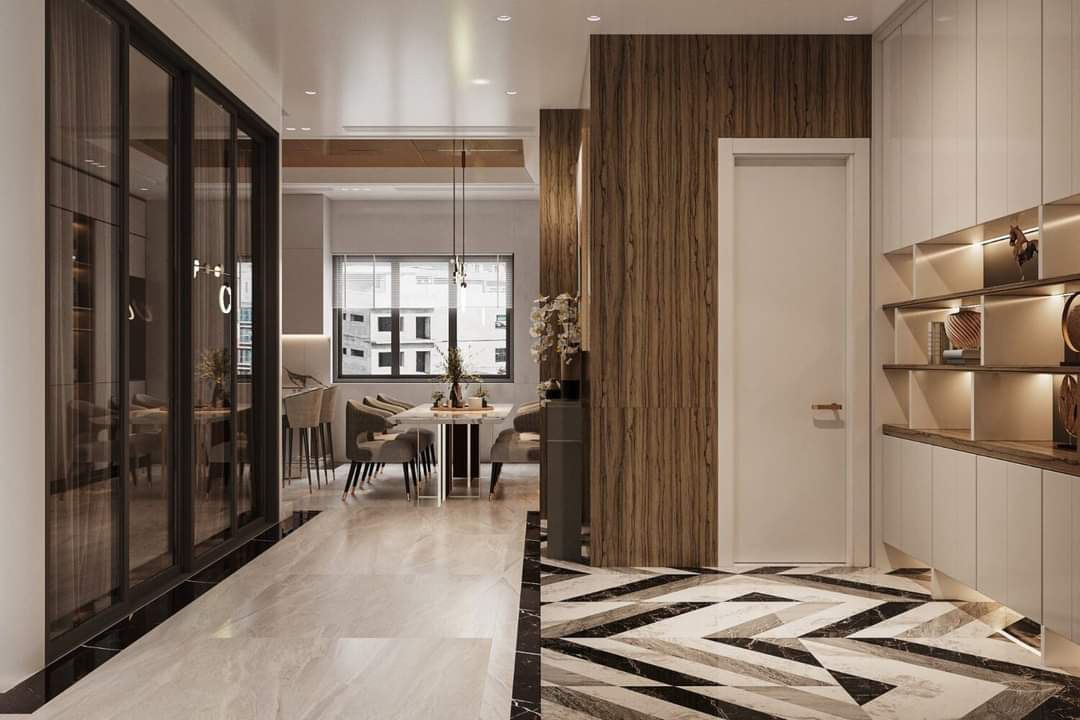
Posted on

Modern Living Room Interior Design in Bangladesh

Our Latest Portfolio_Client project-Kamal's House_Design Doctors Studio

Modern Living Room Interior Design in Bangladesh

Hotel Interior Design in Dhaka Bashundhara Project

Introduction

In Bangladesh, the living room is more than a place to entertain guests – it’s the heart of the home where families relax and recharge after a busy day. Rapid urbanisation and smaller apartments in cities like Dhaka have made space optimisation and smart design essential. 

At the same time, the country’s rich culture and warm climate shape how we decorate and use our living spaces. Three design principles can transform a living room into a stylish yet practical retreat: a neutral color palette, a healthy lighting plan and a minimalist approach. 

This guide explores why these elements matter, how to apply them to Bangladeshi homes and how they come together to create rooms that feel calm, functional and modern.

Why Neutral Colors Work in Bangladeshi Living Rooms

Neutral colors – whites, creams, beiges, greys and soft taupes – create a timeless backdrop that never goes out of style. They offer several benefits:

  • Timeless appeal and versatility. Neutral colours like beige, gray and white are classic; they don’t date quickly and form a blank canvas that lets you introduce new accent colours or décor whenever you wish. This flexibility is ideal for homeowners who want their living rooms to adapt to changing tastes or seasonal décor.

  • Making rooms look larger. Light neutral shades reflect natural light and create the illusion of a bigger, airier space. In Bangladesh, where urban apartments are often compact, a pale wall colour can make rooms feel spacious rather than cramped.

  • Easy coordination. Neutral palettes simplify furniture and décor choices. Because these hues blend with nearly any style, it’s easier to mix and match furnishings without clashing.

  • Stress‑free decorating. Starting with a neutral base reduces the risk of color fatigue and makes it easier to introduce bolder patterns or textures through rugs, cushions and artwork.


Interior Design in Dhaka_Hero Image_Rangpur House Project_design doctors studio

Tips for Using Neutral Colors in Bangladesh

  1. Choose heat‑friendly shades: Light colors such as white, cream and pale blue absorb less heat, making them perfect for Bangladesh’s warm climate. They also maximize natural light, reducing the need for artificial lighting during the day.

  2. Add warmth with natural materials: Neutral doesn’t mean boring. Incorporate wooden furniture, bamboo accents or jute rugs to introduce texture and warmth. Natural materials reflect the country’s heritage and align with trends favoring local, eco‑friendly elements.

  3. Layer tones and textures: Use different shades of neutral – off‑white walls, grey sofas and beige rugs – to add depth. Textured fabrics, woven baskets or terracotta pots keep the room from feeling flat.

  4. Introduce pops of color sparingly: A colorful throw blanket, a few patterned cushions or artwork inspired by Bangladeshi motifs can energize a neutral space without overpowering it. Keep accents limited so the room retains its calm, uncluttered feel.
residential Interior Design Bashundhara- Project 002- Design Doctors Studio

Ready to transform your office? Get in touch with the best interior firms in Bangladesh to start designing a space that aligns with your startup’s goals and culture. The right design can make all the difference!

Crafting a Healthy Lighting Plan

Lighting affects how we feel and function in a space. Good living‑room lighting combines natural and artificial sources to create layers of illumination. 

Effective lighting design relies on layered lighting – ambient, task, accent and decorative – proper brightness and color temperature, and flexible controls like dimmers.

Understand the types of light:

  • Ambient lighting provides overall illumination and sets the room’s general tone. It can come from ceiling fixtures, recessed lights or sunlight through windows.

  • Task lighting offers focused light for activities such as reading, working or playing board games. Desk lamps, floor lamps or wall sconces direct light where it’s needed.

  • Accent lighting highlights artwork, architectural details or decorative objects. Spotlights and wall sconces should be brighter than ambient light to draw the eye.

  • Decorative lighting adds visual interest through stylish fixtures like chandeliers or pendant lights.

Layering and Placement:

  • Start with ambient light: Choose a central ceiling fixture that spreads light evenly. In small Dhaka apartments, a flush‑mount ceiling lamp or a cluster pendant adds style without taking up floor space.


  • Add task lights: Place floor or table lamps near sofas and reading chairs to reduce eye strain. Wall‑mounted sconces free up space and cast directional light for hobbies or work.


  • Use accent lights thoughtfully: Highlight a piece of artwork, a built‑in bookshelf or a textured wall with adjustable spotlights or LED strip lights. Accent lighting should be about three times brighter than the surrounding ambient light.

  • Embrace natural light: Large windows and ventilation systems are smart design elements in Bangladesh. Use sheer curtains or blinds to diffuse sunlight while maintaining privacy. Mirrors or glossy finishes can help bounce light around the room.

  • Control brightness and color temperature: Warm light (around 2,700 Kelvins) creates a cozy, relaxing atmosphere, while cooler light (4,000–5,000 Kelvins) promotes alertness and productivity. Installing dimmers or smart lighting systems lets you adjust brightness for different times of day.

Sustainable and Energy‑efficient Choices:

LED bulbs consume less energy and last longer than incandescent bulbs. For eco‑friendly living rooms, choose LEDs with adjustable color temperature. Incorporate skylights or clerestory windows where feasible to maximize daylight and reduce electrical consumption. Finally, consider using locally crafted bamboo or clay lampshades to support Bangladeshi artisans.

Embracing a minimalist living‑room concept:

Minimalism isn’t about living with nothing; it’s about removing clutter and focusing on what truly matters. It emphasises simplicity, functionality and intentionality. Its core principles include:

  • Simplicity. Choose furnishings and décor that serve a purpose and avoid unnecessary ornamentation.

  • Functionality. Prioritise usefulness over elaborate design; every piece should contribute to comfort or storage.

  • Neutral color palette. Stick to whites, beiges, greys and black to create cohesion and calm.

  • Clean lines and open spaces. Use furniture with simple silhouettes and leave areas of the room empty to foster a sense of openness.

  • Quality over quantity. Invest in durable, timeless pieces instead of filling the room with too many items.

How to Design a Minimalist Living Room in Bangladesh?

  1. Declutter thoroughly. Start by removing items you no longer use. Donate or recycle to keep the space light and airy.

  2. Choose multifunctional furniture. In Bangladesh’s compact apartments, pieces such as sofa beds, nesting tables or ottomans with hidden storage maximize functionality.

  3. Limit decorations. Select a few well‑crafted décor pieces instead of many small trinkets. A single artwork, indoor plant or handcrafted textile can make a statement without clutter.

  4. Embrace natural light and materials. Minimalist design pairs beautifully with large windows and breathable fabrics. Bamboo, rattan, jute and locally woven textiles reflect Bangladeshi craftsmanship while keeping the room grounded.

  5. Organize thoughtfully. Use built‑in cabinets or wall‑mounted shelves to store items out of sight and maintain a clean look.

  6. Add personality through texture. Minimalism doesn’t have to feel sterile. Layer textures – linen cushions, a woven rug or a clay vase – to add warmth and interest.

Integrating Neutral Colors, Healthy Lighting and Minimalism

When combined, neutral colors, layered lighting, and minimalist design create a harmonious living room that feels calm, spacious, and functional. Here’s how to integrate them effectively:

  • Start with a neutral base. Paint the walls in off-white, beige, or light grey, and choose a neutral sofa. This sets a calming backdrop and reflects daylight, making small living rooms in Dhaka or Chattogram feel larger.

  • Apply the minimalist mindset: Select only the essential pieces – a comfortable sofa, a functional coffee table, a media unit, and a couple of armchairs. Avoid excessive decorative objects. Opt for clean lines and ensure each item has a purpose.

  • Layer your lighting: Combine a ceiling fixture for ambient light with task lamps beside seating and accent lights to showcase artwork or architectural details. Use dimmers to transition from bright illumination during family gatherings to softer, mood-lit lighting for relaxation.

  • Use natural elements as accents: Add indoor plants like snake plant (shishir ghas), money plant, or peace lily to purify the air and bring life to the room. Pair neutral colors with natural textures – woven baskets, clay pottery, or bamboo lamps – to balance simplicity with warmth.

  • Consider the local climate: Large windows, cross‑ventilation, and breathable curtains keep the room cool and bright. Light colors absorb less heat and complement Bangladesh’s tropical climate. During the monsoon season, ensure that moisture-prone areas are well-ventilated to prevent dampness.

Why Choose Design Doctors Studio?

Design Doctors Studio has been creating inspiring interiors across Bangladesh for more than 25 years. As a Dhaka-based interior design company, their team understands the challenges of designing for small apartments, duplex houses, and modern office spaces. 

They specialise in blending aesthetics with practicality: neutral colour schemes that stand the test of time, well‑planned lighting that adapts to family life, and minimalist layouts that maximise usable space. Working with local craftsmen and sustainable materials, Design Doctors Studio ensures that every project reflects Bangladeshi culture while meeting contemporary needs.

Whether you’re renovating a compact apartment in Gulshan or designing a luxurious living room in Chattogram, their designers will work with you from concept to completion. You’ll receive detailed floor plans, 3D visualisations, and guidance on furniture, lighting, and décor. The result: a living room that’s calm, comfortable, and tailored to your lifestyle.

Conclusion

In Bangladesh’s fast‑paced urban environment, your living room should be a peaceful retreat where family and friends can gather. Choosing a neutral color palette offers a timeless, versatile backdrop that makes small spaces feel larger.

Implementing a comprehensive lighting plan with layered ambient, task, and accent lighting enhances mood, functionality, and energy efficiency. Adopting a minimalist design philosophy declutters your space, reduces stress, and allows your personality to shine through in carefully chosen pieces.

By combining these three principles and tailoring them to Bangladesh’s climate and culture, you can create a living room that is both stylish and practical. If you need expert guidance, Design Doctors Studio offers the experience and local insight to bring your vision to life.

Author: Al-Amin Ifty, Design Doctors Studio @2025
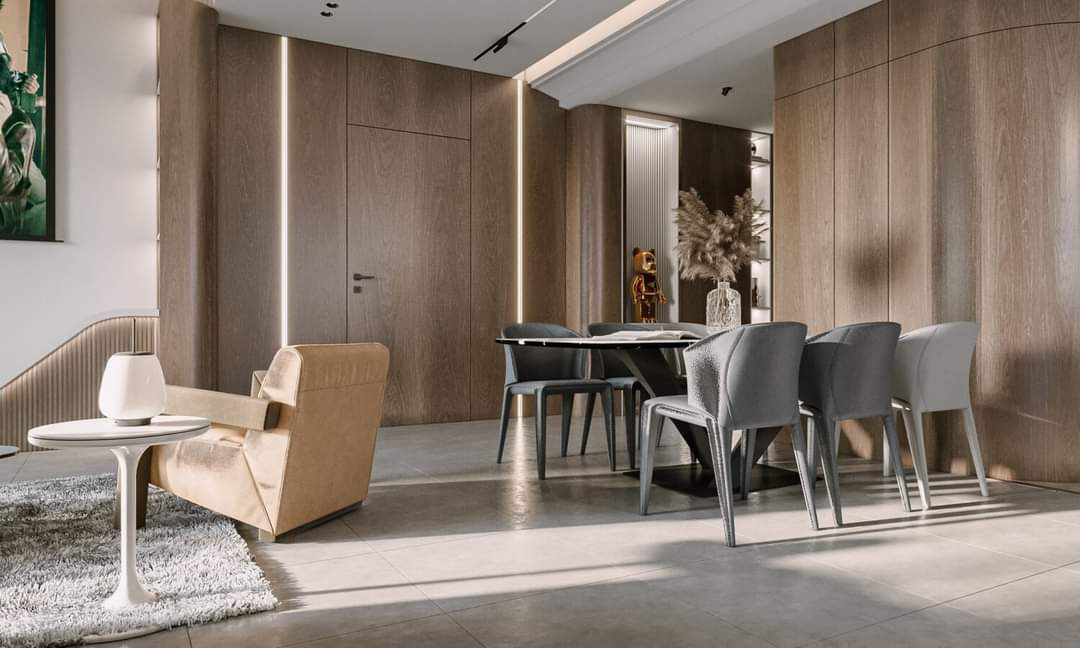
Posted on

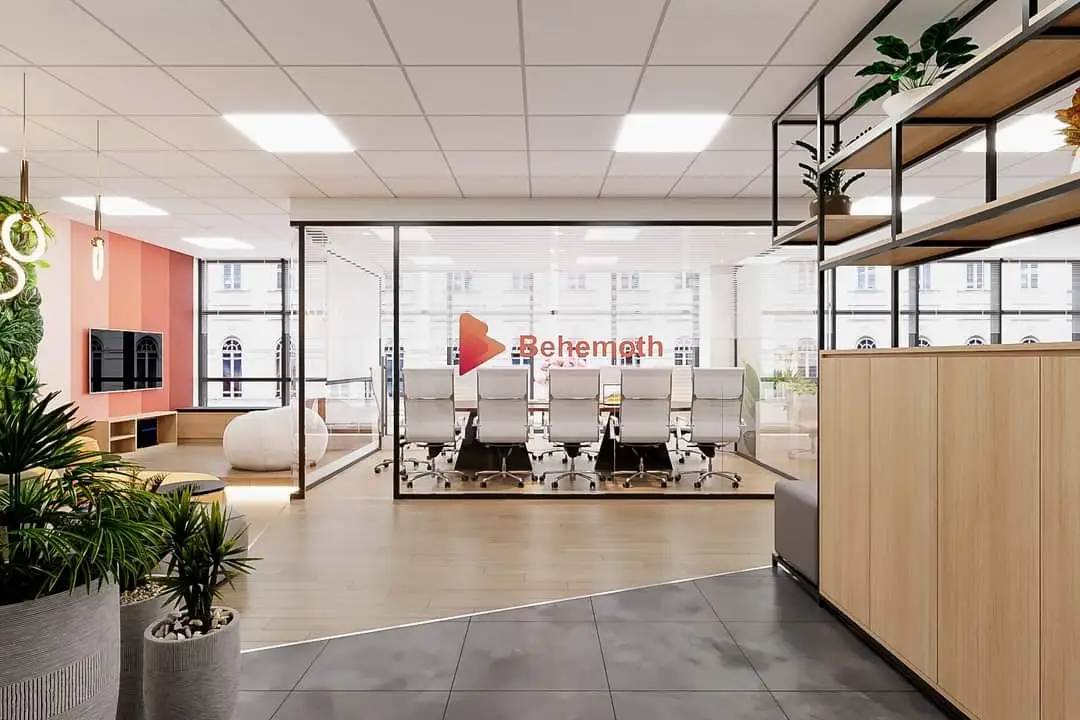
Commercial Interior Design in Bangladesh

Corporate Office Interior Design Gulshan- Project 004- Design Doctors Studio

Commercial Interior Design in Bangladesh

Corporate Office Interior Design Gulshan- Project 004- Design Doctors Studio

Introduction

Bangladesh’s commercial real estate sector has experienced rapid growth over the past decade. A booming economy, rising urbanization and the expansion of industries such as IT, banking, retail and hospitality have created demand for offices, stores and restaurants that not only function efficiently but also embody each company’s personality. 

As the competition for talent and customers intensifies, businesses in Dhaka, Chittagong and other cities are investing in professional interior design to transform bland spaces into inspiring workplaces and memorable customer destinations.

Why Commercial Interior Design Matters

Employee productivity and well‑being

A thoughtfully designed office is more than an aesthetic choice – it directly affects how teams perform. Studies in Bangladesh show that employees working in well‑planned offices report higher morale and productivity when layouts encourage collaboration while still offering quiet zones for focus. 

Natural light and biophilic design elements (e.g., indoor plants, wood and stone) can boost mood, reduce stress and increase energy levels. Ergonomic furniture and comfortable workstations improve posture and decrease fatigue, while flexible layouts allow businesses to adapt to hybrid work patterns.

Customer experience and brand perception

For retailers and restaurants, interior design shapes the entire customer journey. Before tasting the food or browsing the products, visitors form impressions based on the entrance, lighting, colour palette and overall ambiance. 

Industry experts note that decor choices evoke emotions- warm tones can feel cozy and inviting whereas cooler tones feel calming. 

Clear signage and a welcoming entrance convey professionalism and help guests navigate the space, while comfortable seating encourages them to linger. 

In restaurants, adding greenery or creating a “living wall” elevates the atmosphere and can reduce stress. Brand personality should be woven into every design element, from displaying the logo at multiple touch points to selecting materials that tell a local story. 

Businesses that integrate their brand identity into the interior design establish a memorable presence and encourage repeat visits.

Enhanced brand identity and trust

Physical environments communicate what a company stands for. An office that uses locally sourced materials such as bamboo or rattan can reflect commitment to sustainability and cultural heritage. 

Tech firms may prefer sleek, modern designs with smart boards and video conferencing systems, while law firms might select rich wood paneling and formal seating to convey trust and stability. Consistency between the brand and its environment strengthens credibility and fosters customer trust.

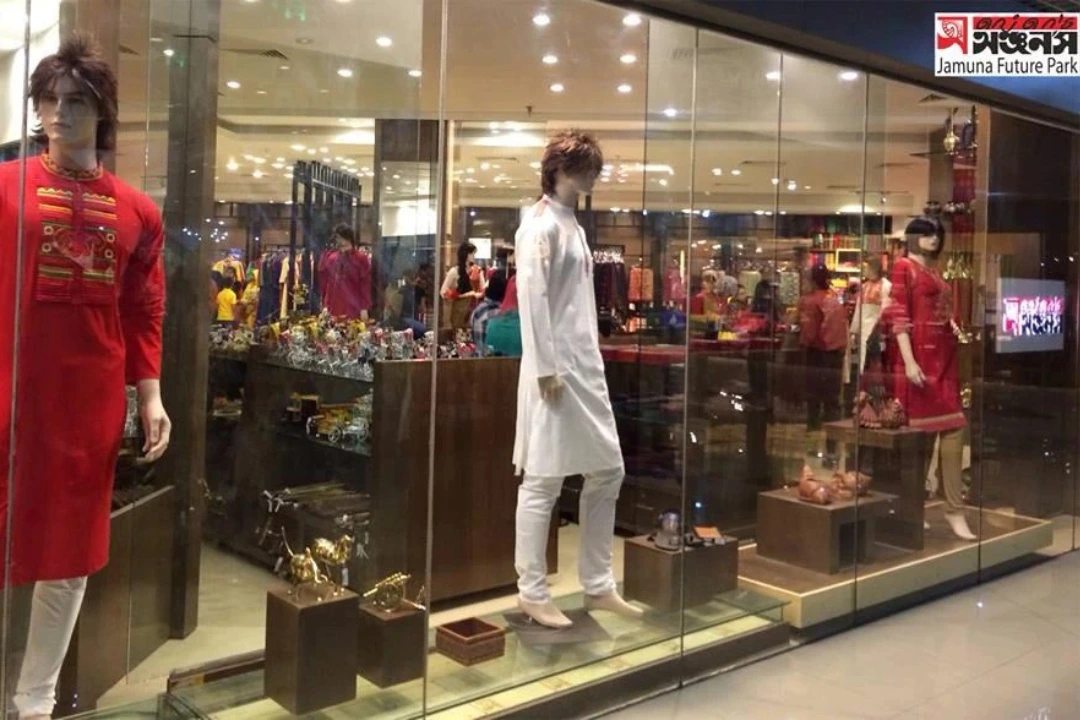
Retail Interior Design in Dhaka_Anjans, Jamuna Future Park Branch_Design Doctors Studio

Commercial Design Trends in Bangladesh

Minimalism and Open‑plan Workspaces

Driven by rising real‑estate costs and a preference for uncluttered aesthetics, minimalism has become a dominant design language in Bangladeshi offices. Clean lines, neutral colours and multi‑functional furniture make small spaces feel larger and reduce visual distractions. 

Open‑plan workspaces encourage collaboration; however, designers increasingly balance openness with private rooms or acoustic booths for focused work and confidential meetings.

Biophilic and Eco‑friendly Design

Sustainability isn’t just a buzzword- it’s a necessity. Biophilic design integrates natural elements into workplaces and retail spaces through living plants, natural light and materials like bamboo, jute and reclaimed wood. 

These choices improve indoor air quality and create calming atmospheres that enhance productivity. Many businesses are also adopting energy‑efficient lighting, low‑VOC paints and smart HVAC systems to minimize their environmental impact and reduce operating costs.

Fusion of Modern and Traditional Bangladeshi Elements

Modern interiors are increasingly incorporating local art, crafts and materials to reflect Bangladeshi heritage. Designers combine sleek contemporary furniture with jute rugs, handcrafted woodwork or terracotta accents to create a distinctive sense of place. 

In retail and hospitality spaces, displaying local artwork and textiles not only supports artisans but also connects customers with the brand’s cultural roots.

Technology Integration and Flexible Layouts

Smart offices are on the rise. Integrated audiovisual systems, wireless charging stations, smart lighting and temperature controls improve efficiency and user experience. 

Flexible layouts with movable partitions, modular workstations and convertible meeting rooms make it easy to reconfigure spaces for different functions or team sizes. This adaptability is particularly valuable for startups and businesses embracing hybrid working models.

Industrial and Contemporary Aesthetics

Concrete finishes, exposed ceilings and metal accents are trending in creative agencies, co-working spaces and industrial‑style cafes.

These industrial elements paired with sleek modern furniture create a dynamic, urban vibe that appeals to younger audiences and tech‑savvy professionals.

Branded Environments

Businesses are treating interiors as an extension of their marketing. Logos and brand colours appear on accent walls, furniture and signage to ensure cohesive brand messaging. 

Thoughtful lighting, unique artwork and custom furnishings that reflect a company’s personality create memorable environments that foster loyalty.

restaurant interior design dhaka- design doctors studio

Ready to transform your office? Get in touch with the best interior firms in Bangladesh to start designing a space that aligns with your startup’s goals and culture. The right design can make all the difference!

Best Practices for Commercial Interior Design in Bangladesh

Understand Your Goals and Audience

Before selecting colour palettes or furniture, clarify your business objectives and target audience. 

Are you designing a workspace to improve collaboration or a retail environment to increase dwell time? Identify your brand values and consider the needs and preferences of employees or customers.

Plan the Layout Carefully

Maximize space by combining open collaboration zones with private areas for focused work. Use multi‑functional furniture and flexible partitions to adapt to different tasks. In restaurants and retail spaces, ensure clear circulation paths and avoid “bad tables”- seats near doors or kitchens that disrupt customer comfort.

Invest in Ergonomics and Comfort

Select ergonomic chairs and adjustable desks to support health and productivity. Provide comfortable seating in waiting areas and meeting rooms. Pay attention to acoustic. Sound‑absorbing materials or partitions can minimize noise distractions.

Harness Natural Light and Layered Lighting

Maximize natural light to improve mood and reduce energy usage. Complement it with layered artificial lighting: task lighting for workstations, ambient lighting for lounges and accent lighting for displays or artwork. 

In restaurants, use warm lighting to create a cozy dining atmosphere and highlight design features.

Integrate Greenery and Natural Materials

Place indoor plants in offices, shops and eateries to purify the air and bring a sense of tranquility. Use locally sourced materials like bamboo, jute or terracotta to add texture and support sustainability. 

Biophilic features such as green walls or water elements can become focal points that set your business apart.

Embrace Sustainability and Technology

Choose eco‑friendly materials, energy‑efficient lighting and HVAC systems to reduce operational costs and environmental impact. Integrate technology such as video conferencing tools, smart lighting and IoT devices to enhance productivity and customer experience.

Reflect Local Culture and Brand Identity

Incorporate Bangladeshi crafts, textiles and artwork to celebrate heritage and differentiate your space. Ensure your logo and brand colours are visible but tasteful, from the reception area to menus or product displays. Consistency across touch points builds recognition and trust.

Prioritize Ventilation and Acoustics

Ensure proper HVAC design to maintain air quality and comfortable temperatures, particularly in restaurants where kitchens produce heat and odors. Use acoustic panels, curtains or carpets to control noise levels and create a pleasant atmosphere.

Design for Flexibility and Growth

Opt for modular furniture and movable walls that allow spaces to evolve with your business. Future‑proof your design by allocating areas for additional team members, equipment or new product displays without needing major renovations.

Conclusion

Bangladesh’s commercial interior design landscape is evolving quickly as businesses recognize the power of well‑designed spaces to influence productivity, customer satisfaction and brand perception. 

From minimalist offices that encourage collaboration to restaurants that tell a cultural story through décor, thoughtful design choices can set your business apart. Integrating sustainability, technology and local craftsmanship not only enhances functionality and aesthetics but also signals your commitment to the environment and community. 

By partnering with experienced interior designers, companies in Bangladesh can transform their spaces into inspiring environments that drive success and leave lasting impressions.

Author: Al-Amin Ifty, Design Doctors Studio @2025
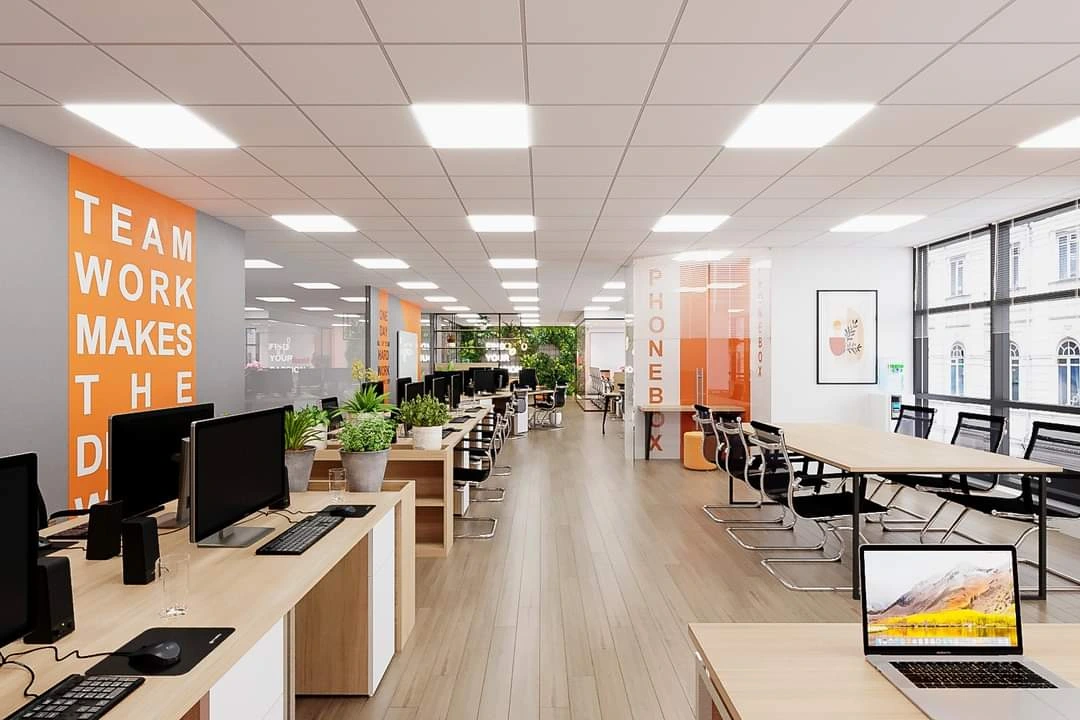
Posted on

Home Interior Design in Bangladesh

Our Latest Portfolio_Client project-Kamal's House_Design Doctors Studio

Home Interior Design in Bangladesh: Trends, Ideas and Practical Tips for 2025

Residential Interior in Dhaka Our Latest Portfolio_Client project-Kamal's House_Design Doctors Studio

Bangladesh’s interior design scene is evolving rapidly. Urbanisation and the rise of modern housing have prompted families to reassess how they utilise space, while a rich cultural heritage continues to influence colours, textures, and craftsmanship. 

For homeowners looking to design or revamp their living spaces in 2025, this comprehensive guide covers the latest trends, small-house solutions, and cost-effective strategies. We also explore why Design Doctors Studio, a leading interior design firm based in Dhaka, should be your trusted partner for creating timeless yet functional homes.

Why interior design matters

Good interior design goes beyond aesthetics. It enhances comfort, supports your lifestyle, improves functionality, and even makes small spaces feel larger.

In Bangladesh, where urban apartments are often compact, smart design can transform a house into a sanctuary. Interior design also reflects personal identity and culture, helping to preserve heritage while embracing modernity.

Our Latest Portfolio_Client project-Kamal's House_Design Doctors Studio

Popular interior design styles in Bangladesh

Traditional Bangladeshi style

Traditional interiors celebrate heritage through rich textures and warm, vibrant colors.

Natural materials, such as jute, clay, and terracotta, along with handcrafted items like Nakshi Kantha, lend rooms a tactile, earthy feel.

If you prefer a cozy ambiance, consider layering textiles (e.g., woven rugs, embroidered cushions) and decorating with local crafts, such as handmade pottery.

Modern minimalist style

Minimalism has taken hold in urban homes. Clean lines, neutral colors, and functional layouts allow rooms to feel spacious and uncluttered.

Neutral palettes (white, beige, and grey) help reflect natural light and create a calm backdrop. Multifunctional furniture, such as a sofa bed or nesting tables, maximizes floor space in small apartments.

Fusion of Eastern and Western design

A contemporary trend is blending Bangladeshi motifs with global influences. Designers incorporate local handicrafts and materials into sleek modern aesthetics to produce interiors that feel international yet rooted in culture.

For instance, you might pair a Scandinavian‑style sofa with traditional woven baskets or clay wall art.

Interior design trends in Bangladesh for 2025

Recent studies and expert opinion suggest that five major trends will shape Bangladeshi interiors in 2025.

Sustainable and eco‑friendly design

Homeowners are increasingly choosing bamboo, recycled wood, and organic textiles for their furniture and décor.

Incorporating plants, vertical gardens, and natural light enhances air quality while fostering a connection between occupants and nature. These eco-choices also align with Bangladesh’s climate and resource conservation efforts.

Smart homes and technology integration

Energy-efficient appliances, automated lighting, and home automation systems are becoming increasingly mainstream.

Smart thermostats and sensors optimize energy use and provide convenience, while security systems (smart locks and CCTV) offer peace of mind. Design Doctors Studio even sells smart locks through its in‑house shop, a convenience for homeowners.

Bold color palettes

Vibrant hues such as deep blues, mustard yellow, and rich terracotta are replacing all‑neutral schemes.

Use accent walls or colorful furniture to make a statement without overwhelming the space. Bold colors pair well with natural materials and handmade textiles.

Multi‑functional furniture

Urban dwellings require efficient use of space. Convertible beds, fold‑out desks, and modular storage systems allow a single room to serve multiple purposes.

These pieces are especially valuable in studio apartments or small houses.

Statement lighting and artistic fixtures

Custom pendant lights, chandeliers, and sculptural lamps serve as focal points, enhancing ambiance.

Layer your lighting: combine overhead fixtures with task lights and decorative lamps to create mood and flexibility.

Our Latest Portfolio_Client project-Kamal's House_Design Doctors Studio

Ready to transform your office? Get in touch with the best interior firms in Bangladesh to start designing a space that aligns with your startup’s goals and culture. The right design can make all the difference!

Materials and textures to embrace

The materials you choose set the tone for your home. Popular options for 2025 include:

  • Wood and natural finishes:Locally sourced wood is timeless and adds warmth to any space. Wooden furniture, flooring, and wall panels crafted by Bangladeshi artisans seamlessly blend traditional and modern styles. Consider pairing wood with rattan or cane for a more casual feel.

  • Handwoven textiles:Rich fabrics such as muslin, khadi, and Jamdani are used for upholstery, curtains, and throws. These textiles honor heritage while adding texture and color. Use them on cushions, wall hangings, or table runners.

  • Metal and glass accents:Sleek metal and glass fixtures (e.g., steel coffee tables, glass pendant lights) offer sophistication and complement minimalist interiors. When paired with wood and fabric, they provide a balanced contrast.

Key rooms and design tips

Living room

Your living room should strike a balance between comfort and personality. Utilize functional seating arrangements, locally handcrafted furniture, and a mix of textures.

In small homes, opt for sofas with built‑in storage or sectionals that double as guest beds. Keep pathways clear to maintain openness.
 

Bedroom

Bedrooms need to feel tranquil. Choose soft, muted colors and plush textiles. Built-in wardrobes, under-bed drawers, and multi-functional furniture help maximize storage. Good ventilation and blackout curtains support restful sleep.
 

Kitchen and dining area

Bangladeshi kitchens often blend traditional cooking styles with modern amenities. Consider open‑plan designs that connect the kitchen with dining and living spaces.

Incorporate clay stoves or brass utensils alongside contemporary appliances for a nostalgic yet functional vibe.
 

Bathroom

Bathrooms are becoming spa‑inspired sanctuaries. Rainfall showers, freestanding bathtubs, and mood lighting create a luxurious ambiance.
 
Use non‑slip tiles and invest in quality fixtures to ensure safety and longevity.

Embracing local influences

Bangladeshi interiors truly shine when they feature local artistry and natural elements. Incorporate handcrafted touches, such as Nakshi Kantha quilts, terracotta figurines, and handmade ceramics.
 
Nature-inspired elements, such as water features, stone carvings, and cultural symbols, infuse deeper meaning. Even a small indoor garden or potted plants can improve air quality and mood.
Our Latest Portfolio_Client project-Kamal's House_Design Doctors Studio

Challenges and how to overcome them

Space constraints

Rapid urbanization has led to a trend of smaller apartments, particularly in Dhaka. To maximize limited space, choose multifunctional furniture and opt for open, airy layouts.

Position furniture against walls and utilize vertical storage (such as floating shelves or wall cabinets) to maximize floor space. Mirrors and light colors can make rooms appear larger.
 

Balancing modern trends with cultural heritage

While global trends are attractive, it’s vital to maintain cultural identity. Carefully combine modern elements with traditional materials to create harmony.

For example, use a sleek grey sofa with embroidered cushions or pair contemporary lighting with vintage jute rugs.

Design tips for small houses and apartments

Bangladesh’s growing population has made small homes and apartments the norm. The following tips are especially helpful if your living space is compact:

  1. Space optimization: Plan your layout to maximize function. Utilize vertical storage, built-in cabinets, and multi-purpose furniture (e.g., convertible tables, wall beds). Avoid long corridors by opting for open‑plan kitchens and living areas.

  2. Natural materials and light: Incorporate local building materials such as bamboo, wood, and bricks for affordability and sustainability. Large windows and proper ventilation allow for natural light to enter and reduce energy consumption. Light‑colored walls (white, cream, or light blue) help spaces feel larger and reflect heat.

  3. Simple design philosophy: Many people prefer simple home designs because they are low‑cost, easy to maintain, and adaptable. Clean lines and geometric shapes, multi-functional spaces, and minimal decoration help keep construction costs 20–30% lower. Simple designs also allow future expansion and are eco‑friendly.

  4. Vertical gardens and terrace gardens: With limited yard space, vertical gardens and rooftop gardens bring greenery into urban homes, enhancing their aesthetic appeal. They improve air quality, reduce heat, and provide a relaxing atmosphere.

  5. Home office integration: Remote work has created demand for home offices. Consider setting up a small workstation in a corner or a separate room. Use wall-mounted desks, floating shelves, and noise-reducing carpets. Separate the workspace with a bookshelf or curtain to maintain privacy.

  6. Low-cost and eco-friendly solutions: When the budget is tight, consider using interlocking blocks or composite materials instead of bricks; opt for tin sheds or prefabricated structures for roofs. Harvest rainwater, utilize indoor plants, and recycle old wooden pallets for décor. Avoid unnecessary decoration and consult local craftsmen for cost‑effective, earthquake‑resistant designs.

Maintaining affordability without sacrificing style

Affordable design doesn’t mean compromising on aesthetics. By prioritizing sustainability, local materials, and smart planning, you can create a stylish home within budget:

  • Use local craftsmen – Skilled artisans produce high‑quality furniture and décor at competitive prices. Choosing locally made pieces supports the community and reduces import costs.

  • DIY and upcycling – Repurpose old furniture, recycle materials (e.g., wooden pallets), and add personal touches through hand‑painted art or handcrafted shelves.

  • Opt for essential upgrades – Invest in good lighting, comfortable seating, and efficient storage. These elements significantly enhance the quality of life and increase the resale value.

Why choose Design Doctors Studio?

Design Doctors Studio (DDS) has built a reputation as one of the most trusted interior design companies in Bangladesh. Here are reasons to partner with them:

Three decades of experience – Founded in 1996, DDS offers 28 years of expertise in residential, commercial, and hospitality design. Their projects reflect clients’ identities while maintaining elegance and functionality. They emphasize sustainable and personalized designs.


Comprehensive services – The firm specializes in residential interior design, corporate offices, retail, and hospitality projects, as well as custom furniture. Whether you want to remodel your apartment, design a duplex, or create a boutique restaurant, DDS covers every aspect from concept to completion.


Proven track record – Design Doctors Studio has delivered 889 projects in Bangladesh, with additional projects in Malaysia and Nepal. Their portfolio spans over 30 districts and includes high‑profile clients such as Aarong, Anjans, and NRB Bank. This breadth demonstrates reliability and creative versatility.


Free consultation and smart lock shop – DDS offers a 100 % free consultation to discuss your design needs and budget. They also sell smart locks and hotel security solutions, making it convenient to incorporate technology into your home.


Personalized design process – The team at DDS believes that every space should reflect its occupants’ identity and vision. They work closely with clients to ensure each design is thoughtful, sustainable, and tailored to the space it serves. Their principal designer and experienced team manage everything, from the initial concept to the final installation.

Conclusion

Designing a home in Bangladesh in 2025 is both exciting and challenging. Modern lifestyles demand smart, space‑efficient solutions while cultural heritage calls for the use of traditional crafts and materials.
By embracing sustainable practices, integrating technology, using vibrant colors, and planning carefully, you can create a beautiful and functional living space.

For those seeking expert guidance, Design Doctors Studio offers comprehensive services, from residential interiors to smart lock installations, and has earned the trust of its clients through decades of experience and a wide portfolio of satisfied clients.

Ready to transform your home? Contact Design Doctors Studio today for a free consultation and discover how their team can turn your ideas into a timeless, personalized interior. Whether you live in a cosy apartment or a spacious duplex, their expertise will help you achieve a perfect blend of Bangladeshi charm and modern convenience.

Author: Al-Amin Ifty, Design Doctors Studio @2025
Posted on

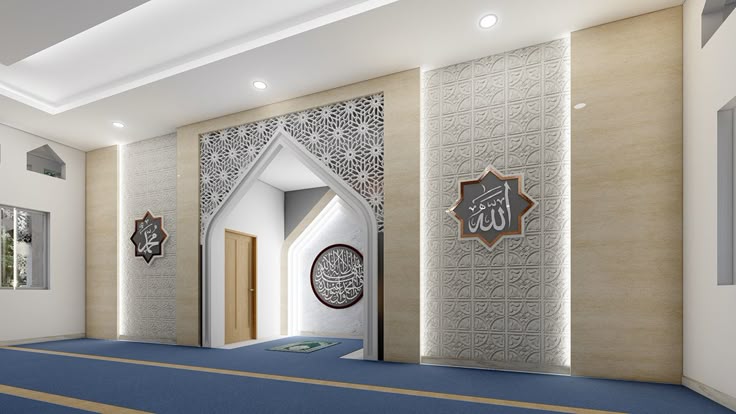
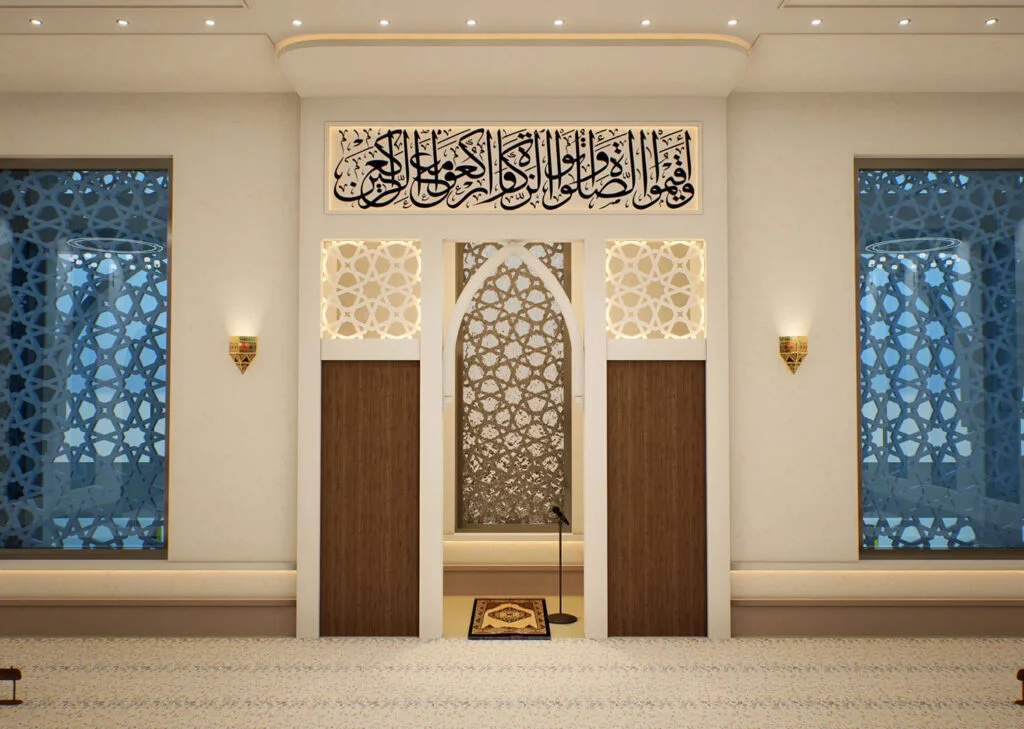
Mosque Interior Design in Bangladesh: A Relaxed Deep Dive

Mosque interior design bangladesh- design doctors studio

Mosque Interior Design in Bangladesh

Mosque interior design bangladesh- design doctors studio

Introduction

Ever walked into a mosque and felt the way light filters through the lattice, or the coolness of terracotta underfoot? Mosques in Bangladesh offer a tapestry of history and modern design, from ancient terracotta domes to minimalist halls suffused with sunlight.

This human-written guide will walk you through the evolution of mosque interiors here why thick brick walls still matter, how modern architects carve out column-free prayer halls, and what climate-friendly design really means in a hot, humid country.

If you’re curious about where tradition meets innovation and how a seasoned design firm like Design Doctors Studio plans to shape its first mosque, keep reading.

Mosque interior design bangladesh- design doctors studio

A Little History

Many of the mosques dotting Bangladesh have a back‑story that goes way back to the Bengal Sultanate and Mughal periods. Take the famous Sixty Dome Mosque in Bagerhat. Despite its nickname, there are actually 77 low domes resting on 60 slender stone columns inside. 

Thick tapered brick walls support the roof and there are rows of arched doorways on the east, north and south sides to bring in light and air. 

Even with all those openings, the sheer mass of the walls gives the prayer hall a cool, sombre feel. Along the western wall you’ll find multiple mihrabs that point worshippers toward Mecca.

Fast‑forward to the 1960s and you get Bangladesh’s national mosque, Baitul Mukarram, which adopts a modernist style.

The designers included two open courtyards so sunlight and fresh air pour into the prayer hall. Instead of a traditional semi‑circular mihrab, there’s a crisp rectangular niche. Decoration is kept to a minimum; the building’s clean lines and large volumes do all the talking.

Modern Takes on Tradition

The Bait Ur Rauf Mosque in Dhaka shows how contemporary architects are reimagining what a mosque can look like. Built in 2012, the prayer space is an open box without any internal columns. 

Eight thick supports on the perimeter hold up the roof, and a scatter of round openings in the ceiling and walls creates a dreamy mix of light and shadow as the sun moves across the sky. 

The walls are made of handmade terracotta bricks, which let air pass through and help keep the building cool. There’s no dome or minaret, just simple geometry and carefully designed natural light to evoke a sense of calm.

See the innovative solutions of mosque interior design.

Mosque interior design bangladesh- design doctors studio

Key Parts of a Mosque Interior

The Prayer Hall

This is the heart of the mosque. It should be open and flexible so worshippers can stand shoulder to shoulder in rows.

Older mosques achieve this with rows of columns and arches that break up the space; modern designs might use hidden structural tricks so there’s nothing to interrupt the view.

Carpets provide comfort underfoot, and designers pay attention to acoustics so sermons and prayers aren’t lost in echoes.

Mihrab and Minbar

The mihrab is the niche that points worshippers toward the Kaaba in Mecca. It’s often the most ornate element in the hall.

Baitul Mukarram’s mihrab is an austere rectangle, but many mosques use intricate geometric patterns or carved calligraphy to highlight this focal point.

The minbar, a raised pulpit used for Friday sermons, should be easy to see from anywhere in the room. Traditional minbars are often carved from wood, but stone and metal versions are common too.

Light and Atmosphere

Natural light is a signature feature in Bangladeshi mosques. Skylights, clerestory windows and perforated brick screens all help bring daylight into the prayer hall.

In the Bait Ur Rauf Mosque, circular openings scatter sunlight across the floor and walls, changing the look of the space throughout the day.

For evenings and overcast days, chandeliers and concealed LED lighting provide soft, even illumination without overwhelming glare.

Materials and Finishes

You’ll see a lot of clay brick, terracotta and wood in Bangladeshi mosques, these materials are locally sourced and perform well in humid climates.

The thick walls of historic structures like the Sixty Dome Mosque act as thermal mass, keeping the interior cool. Modern designers still favor these materials but combine them with clean lines and subtle patterns.

Decoration is often restrained, with simple geometric motifs and snippets of Quranic calligraphy adding interest without clutter.

Inclusivity and Acessibility

Traditionally, women’s prayer spaces have been tucked away on mezzanines or behind screens.

There’s a growing awareness that women deserve better access, so many new or renovated mosques in Bangladesh include dedicated areas for women that are comfortable and visible.

Accessible ramps, elevators and tactile flooring help elderly worshippers and people with disabilities feel welcome, too.

Community Rooms and Gardens

Mosques are not just for prayer. They host Quran classes, community meetings, charity events and more. Designers increasingly include multi‑purpose rooms, libraries and even medical clinics within mosque complexes.

Outdoor gardens or courtyards offer quiet places to sit, study or chat after prayers. Bait Ur Rauf’s design intentionally provides spaces where children can play and neighbors can gather during the day.

Explore the top things to remember before making mosque design.

A Step‑by‑Step Guide to Designing a Mosque Interior

If you’re thinking about building or renovating a mosque in Bangladesh, here’s a roadmap to get you started:

  1. Study the site: Observe how the sun, rain and wind behave on your land. Align your plan so the prayer hall faces Mecca and uses breezes to its advantage.

  2. Plan for capacity: Estimate how many worshippers you’ll need to accommodate on busy days. Size the prayer hall accordingly and decide whether columns will obstruct anyone’s view.

  3. Embrace the climate: Use courtyards, patios or high windows to bring in daylight and fresh air. Think about shading and rainwater management early in the design process.

  4. Choose materials wisely: Local bricks, terracotta and timber look beautiful and last. Avoid overly dark colours that absorb heat. Invest in durable carpets and tiles for high‑traffic areas.

  5. Highlight the mihrab and minbar: Give these elements pride of place with thoughtful detailing. Keep ornamentation tasteful and meaningful rather than excessive.

  6. Provide supporting facilities: Include ablution areas, restrooms, storage and spaces for lectures or social work. Make sure there is room for women and people with disabilities.

  7. Talk to the community: Speak with local religious leaders and future users to ensure the mosque serves everyone’s needs. Gather feedback on layouts, aesthetics and practical concerns.

  8. Work with professionals: Collaborating with experienced architects and interior designers in Bangladesh ensures the building is safe, comfortable and in line with local regulations.
Mosque interior design bangladesh- design doctors studio

Ready to transform your office? Get in touch with the best interior firms in Bangladesh to start designing a space that aligns with your startup’s goals and culture. The right design can make all the difference!

How Design Doctors Studio Can Help

If you’re looking for expert guidance on mosque interiors, Design Doctors Studio has deep experience in Bangladeshi architecture.

We understand how to balance tradition with modern amenities, select climate‑appropriate materials and create spaces that feel serene and welcoming. Our team listens to your community’s needs and translates them into 3D visualizations, construction drawings and beautifully finished prayer spaces.

We’re proud to be among the top interior design firms in Bangladesh and would love to help bring your project to life.

Wrapping Up

Mosques in Bangladesh reflect centuries of craftsmanship, devotion and adaptation to the local environment.

From the solemn arches of the Sixty Dome Mosque to the light‑filled simplicity of the Bait Ur Rauf Mosque, each building tells a story. Thoughtful interior design can honour tradition while embracing comfort, inclusivity and sustainability.

When you combine these considerations with community input and professional expertise, you end up with spaces where worshippers can connect deeply with their faith and with each other.

Author: Al-Amin Ifty, Design Doctors Studio @2025
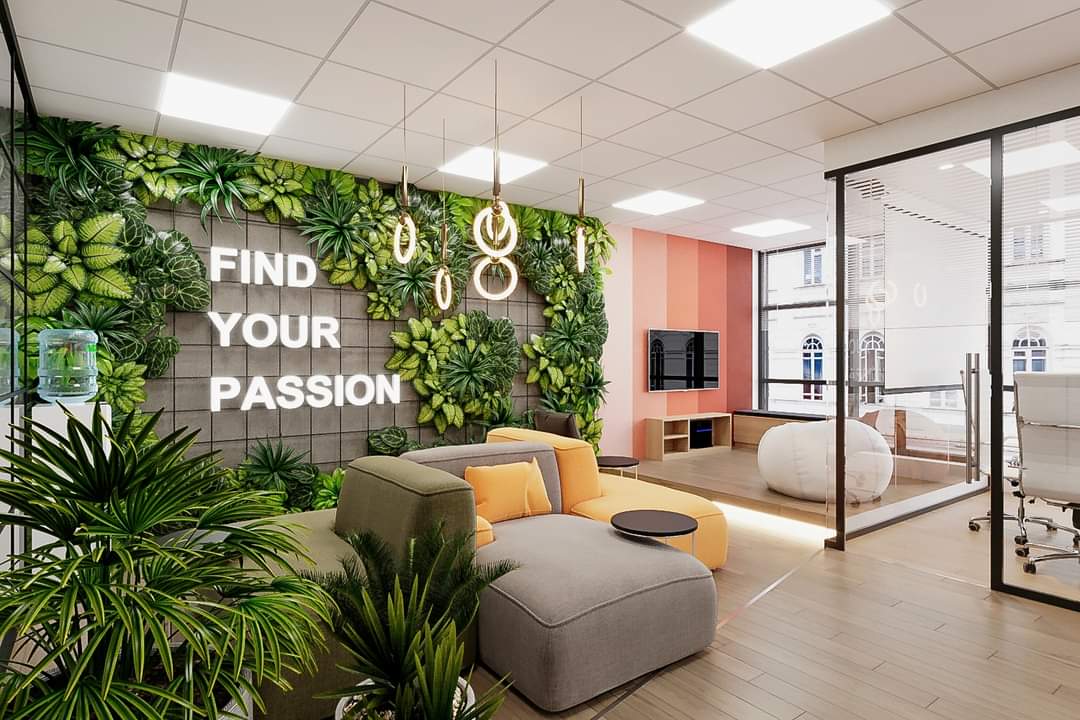
Posted on

Best Interior Design Companies in Bangladesh

Interior Design companies in bangladesh

Best Interior Design Companies in Bangladesh

Interior Design companies in bangladesh

A Competitive Landscape in Bangladesh

In recent years, Bangladesh’s growing economy has encouraged people to invest more in their living and working environments. Clients now expect interior designs that combine comfort, functionality and personal style. 

With many interior design firms operating in Dhaka and across the country, including some of the best interior designers in BD, the market has become competitive. Choosing the right company can make the difference between a generic space and a home or office that truly reflects your personality. 

The most successful firms stand out through their creative vision, professional expertise and focus on client satisfaction.

Corporate Office Interior Design Gulshan- Project 004- Design Doctors Studio

How to Identify the Best Interior Design Companies

When searching for the best interior design company in Bangladesh, consider the following qualities:

  • Expertise and experience: Look at how long the firm has been in business and the depth of experience within its team.

    An established interior design firm in Bangladesh will be familiar with local building practices, apartment layouts and cultural preferences.

  • Portfolio and client feedback: A diverse portfolio of residential, commercial and hospitality projects demonstrates versatility.

    Reading client testimonials and reviews provides insight into the company’s reliability and customer service.

  • Budget transparency and flexible pricing: Professional interior design firms should be transparent about pricing and offer packages suitable for different budgets.

    Request detailed estimates and compare them with other providers to ensure value for money.

  • Communication and project management: Clear communication and regular updates throughout the design process build trust and help manage expectations.

    A dedicated project manager ensures that timelines are met and issues are addressed promptly.

  • Innovation and sustainability: Leading companies incorporate sustainable materials, energy‑efficient solutions and modern technologies such as 3D modelling.

    Innovation in design, especially eco‑friendly or biophilic approaches, adds long‑term value to your space.

Top Interior Design Companies in Bangladesh

The following details offers a snapshot of some of the most reputable interior design companies in Bangladesh. Each company brings unique strengths to the table.

Corporate Office Interior Design Gulshan- Project 004- Design Doctors Studio

Design Doctors Studio (DDS)

Key strengths: Nearly three decades of experience; integrates interior design with brand identity; offers residential, commercial and hospitality services; uses eco‑friendly materials and client‑centric processes

Year founded / notable details: Established 1996

ArcAttic

Key strengths: Professionalism, creative and eco‑friendly solutions, comprehensive service, over 150 completed projects

Year founded / notable details: Founded 2012

Sheraspace Ltd

Key strengths: Modern and functional designs, tailored to each location, online interior consultations, flexible pricing and transparent process

Year founded / notable details: Founded 2019

Dream Touch Architects Ltd

Key strengths: Strong project management, expertise in space optimisation, complete design and build services for residential and commercial projects

Year founded / notable details: Established 2006

Interior Concepts & Design Limited (ICDL)

Key strengths: Collaborative approach, detailed 3D visualisation, conceptual planning, blends modern and traditional elements

Year founded / notable details: Operating since 2008

Imagine Interiors

Key strengths: Personalised and budget‑conscious designs, collaborative process, portfolio includes work for major organisations such as the World Bank

Year founded / notable details: Started 2018

Zero Inch Interiors Ltd

Key strengths: Affordable yet stylish solutions, focus on functionality for small spaces, recognised with design awards

Year founded / notable details: Founded 2011

Bengal Interiors

Key strengths: Specialises in biophilic and contemporary designs, emphasises sustainability, extensive experience with luxury apartments and hotels

Year founded / notable details: Operating since 2012

Wav Architects

Key strengths: Award‑winning firm known for modern, Mediterranean‑inspired interiors, delivers projects on time and within budget

Year founded / notable details: Began in early 2010s

Highlights of Leading Companies

ArcAttic: Known for reliability and innovative concepts, ArcAttic offers end‑to‑end interior design and construction services. Their portfolio spans duplex houses and corporate offices, and they adjust pricing for both budget‑friendly and premium projects.

Sheraspace Ltd: This new‑generation firm blends aesthetics with function and offers online consultations for clients in Dhaka and beyond. Their designs are tailored to the geographical and environmental context of each project, and they provide options for different budgets.

Dream Touch Architects Ltd: With over eighteen years in business, Dream Touch Architects is recognised for its ability to maximise space and handle complex projects. The company manages everything from concept to execution and has delivered projects for clients in Bangladesh and overseas.

Interior Concepts & Design Limited (ICDL): ICDL uses advanced 3D modelling to help clients visualise their spaces before construction begins. They combine modern concepts with traditional Bangladeshi elements, ensuring each design is both innovative and culturally resonant.

Imagine Interiors: Despite being relatively new, Imagine Interiors has quickly built a reputation for personalised, collaborative design. They work on diverse projects, from bathrooms and kitchens to large commercial spaces, and focus on creating high‑quality designs that suit the client’s budget.

Zero Inch Interiors Ltd: Zero Inch Interiors stands out for its cost‑effective yet stylish interior solutions. The firm is especially popular among apartment owners in Bangladesh who want to maximise small spaces without sacrificing aesthetics.

Bengal Interiors: The oldest firm on this list places a strong emphasis on sustainability and biophilic design. Bengal Interiors creates interiors that incorporate natural elements and has experience in designing luxury apartments, office spaces and hotels.

Wav Architects: Wav Architects is celebrated for its modern and Mediterranean‑inspired interiors. With more than a decade of experience, they have delivered numerous residential and commercial projects and are known for staying within budget and schedule.

Why Design Doctors Studio is among the best interior design companies

Design Doctors Studio (DDS) has been a key player in the Dhaka interior design scene since 1996. With nearly thirty years of experience, our team has a deep understanding of Bangladesh interior design, including apartment layouts, local materials and cultural aesthetics. 

We combine interior design services with brand identity development, making us a versatile partner for both homes and businesses.

Our approach is customer‑centric; we start by listening to your vision, then develop concepts, 3D renders and detailed plans that reflect your lifestyle or brand. DDS has experience in home interior design essentials for BD homes, office interiors, restaurants and hotels. 

We integrate sustainable materials and local craftsmanship, ensuring that projects are eco‑friendly and support the local economy. Our transparent pricing and project management help clients stay within budget while achieving the desired results.

Modern Drawing Room Interior Design Ideas: Transform Your Living Space in 2025-design doctors studio

Ready to transform your office? Get in touch with the best interior firms in Bangladesh to start designing a space that aligns with your startup’s goals and culture. The right design can make all the difference!

Conclusion

The interior design sector in Bangladesh is rich with talented firms. To find the best interior design services for your project, evaluate companies based on experience, portfolio, budget clarity and innovation. Firms like ArcAttic, Sheraspace, Dream Touch and the others listed here offer diverse strengths. Design Doctors Studio stands out with decades of experience and a holistic, client‑first interior design process.

Whether you’re researching the top 10 interior design trends in Bangladesh, need guidance on sustainable interior design or want to avoid common mistakes in your home renovation, partnering with a professional interior design firm will help you achieve a space you love. 

Reach out to Design Doctors Studio interior designers to begin your project today.

Author: Al-Amin Ifty, Design Doctors Studio @2025